When home and property owners begin looking for Landscape Installation Services, one question comes up almost immediately:
“What’s the difference between residential and commercial landscaping?”
While both share the same foundations—design, installation, hardscaping, and ongoing maintenance—the scale, purpose, materials, and execution often differ significantly. Understanding these differences helps you choose the right Landscape Construction Company for your project and ensures your outdoor space is built to last.
Whether you’re refreshing a backyard or building out a large commercial plaza, here’s what separates residential from commercial landscape installation—and where a professional design-build team makes all the difference.
1. Project Scale & Complexity
Residential Landscape Installation
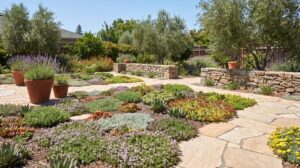
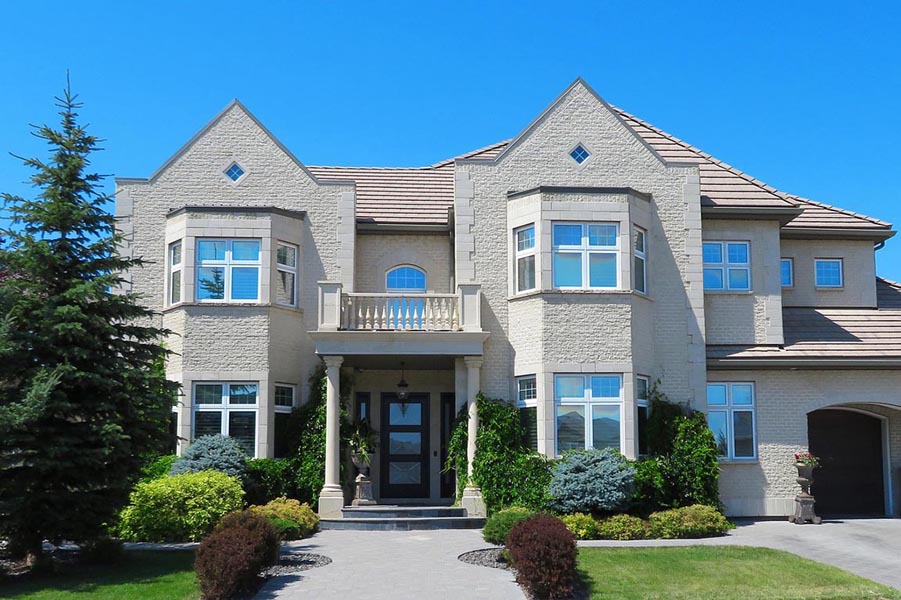
Residential projects typically involve smaller, more personal spaces—front yards, backyards, patios, garden beds, walkways, and outdoor living areas.
They are designed with family use, comfort, and lifestyle needs in mind.
Common elements include:
- Sod installation
- Planters and garden beds
- Paver patios and walkways
- Retaining walls
- Outdoor kitchens and fire features
- Decorative rock, mulch, and lighting
Commercial Landscape Installation
Commercial landscaping covers significantly larger and more complex environments.
Think of spaces such as:
- Office buildings
- Multi-family communities
- Retail centers
- Hotels and resorts
- Industrial properties
- Public parks
Because of the size and scope, commercial projects require specialized equipment, larger crews, and advanced planning to handle logistics and deadlines.
2. Design Goals & Functionality
Residential Landscaping
Homeowners usually want outdoor spaces that feel:
- Relaxing
- Beautiful
- Functional for entertaining
- Safe for kids and pets
Design decisions are based on personal style, which is where professional Landscape Design Services come in—helping homeowners choose the right materials, plants, and layout to match their vision.
Commercial Landscaping
Commercial environments must be:
- Durable
- ADA compliant
- Low-maintenance
- Safe for high-traffic
- Consistent with brand identity
Commercial Landscape Installation Services focus heavily on:
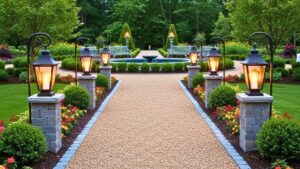
- Clear pathways and traffic flow
- Large parking lot islands
- Drainage management
- Erosion control
- Signage visibility
- Lighting for safety
The design is less about personal preference and more about function, compliance, longevity, and curb appeal for customers or tenants.
3. Hardscaping Requirements
Both residential and commercial spaces frequently include hardscaping—but scale and durability change dramatically.
Residential Hardscaping
Residential hardscapes typically focus on comfort and aesthetic appeal. Examples include:
- Paver patios
- Outdoor kitchens
- Retaining walls
- Fire pits
- Walkways and steps
The emphasis is on craftsmanship and making the space inviting.
Commercial Hardscaping
Commercial Hardscaping Services lean toward:
- Heavy-duty retaining walls
- Stair systems
- Large-scale drainage solutions
- Durable concrete or commercial-grade pavers
- Outdoor seating structures
- Structural hardscapes supporting large crowds
Because commercial environments face constant traffic, hardscaping is built to withstand weather, wear, and thousands of visitors.
4. Material Selection
Residential Landscapes
Materials are chosen for:
- Style
- Comfort
- Affordability
- Maintenance preferences
Examples:
- Decorative pavers
- Natural stone accents
- Soft landscaping with high-appeal shrubs and trees
- Colorful mulch and ground cover
Commercial Landscapes
Materials must handle:
- Extreme foot traffic
- Heavy equipment access
- Long-term durability
- Safety regulations
Commercial projects often use:
- Commercial-grade pavers
- Larger trees
- Engineered retaining wall systems
- High-efficiency irrigation
- Long-lasting mulch or stone that’s easy to maintain
5. Timeline & Project Management
Residential Projects
Timelines are typically shorter and more flexible. The workflow from a Landscape Construction Company follows:
- Consultation
- Design planning
- Material selection
- Installation
Most residential projects are completed within days or weeks, depending on scope.
Commercial Projects
Commercial installations require:
- Multi-phase planning
- Coordination with general contractors
- Reading and following architectural plans
- Meeting strict deadlines
- Permit approvals
- Safety compliance
These projects often span several weeks to months, with strict oversight and inspections.
6. Irrigation & Drainage
Residential Irrigation
Systems are designed to water:
- Lawns
- Garden beds
- Trees and shrubs
Irrigation is relatively simple and designed for efficiency and ease of use.
Commercial Irrigation
Commercial properties require:
- Large-zone irrigation
- Smart controllers
- Efficient systems that reduce water waste
- Complex drainage solutions to prevent flooding
These systems are engineered for maximum reliability in high-demand environments.
7. Maintenance Needs
Residential Maintenance
While many homeowners opt for full-service landscaping, maintenance needs are predictable:
- Seasonal cleanup
- Lawn care
- Mulching
- Fertilizing
- Trimming and pruning
Commercial Maintenance
Commercial maintenance is ongoing and often includes:
- Weekly lawn and landscape care
- Litter removal
- Tree management
- Safety inspections
- Snow and ice management (where applicable)
- After-hours service
Commercial sites require a fast response and dependable scheduling.
8. Budget Differences
Residential Landscaping
Budgets vary based on style and materials, but projects are typically manageable for homeowners.
Commercial Landscaping
Commercial landscaping requires:
- Bigger budgets
- Long-term planning
- Higher-cost materials
- Specialized equipment and crews
However, the investment provides long-term durability, safety, and increased property value.
Which One Does Clean Slate Landscape Construction Specialize In?
Clean Slate Landscape Construction offers full-service Landscape Installation Services, Landscape Design Services, and Hardscaping Services for both residential and commercial clients.
No matter the size of your project, our team delivers:
- Precision design
- High-quality materials
- Skilled craftsmanship
- Reliable project management
- Long-lasting results
As a trusted Landscape Construction Company, we help property owners transform outdoor spaces with efficiency, expertise, and attention to detail.
Final Thoughts
Choosing between residential and commercial landscape installation isn’t about which is “better”—it’s about understanding the unique requirements of each. Residential spaces focus on comfort and beauty, while commercial projects prioritize durability, compliance, and large-scale functionality. Contact us at 888.912.6706 for more details.
Whether you’re a homeowner dreaming of a backyard upgrade or a property manager planning a full commercial landscape build-out, having the right team makes all the difference. Clean Slate Landscape Construction brings vision, skill, and industry experience to every project—big or small.
Frequently Asked Questions
What is the main difference between residential and commercial landscape installation?
Residential landscaping focuses on smaller, personalized spaces such as homes, backyards, and patios. Commercial landscaping involves larger, complex properties like offices, retail centers, and multi-unit buildings, requiring more planning, durability, and compliance.
Do commercial landscape installations cost more?
Yes. Commercial landscape projects typically cost more due to their scale, heavy-duty materials, safety requirements, and the need for specialized equipment and larger crews.
Are the materials used in residential and commercial landscaping different?
Often, yes. Residential projects use aesthetic, comfort-focused materials like decorative pavers or natural stone. Commercial installations rely on commercial-grade, high-durability materials built to handle heavy traffic and long-term wear.
How does design planning differ between residential and commercial projects?
Residential design focuses on lifestyle, comfort, and beauty. Commercial design prioritizes safety, accessibility, traffic flow, drainage, and low-maintenance solutions that support high-use environments.