When it comes to enhancing curb appeal or creating durable, long-lasting outdoor features, masonry is one of the most valuable investments a homeowner can make. But choosing between brick masonry and stone masonry can be challenging. Both materials offer excellent strength, weather resistance, and timeless beauty—but they differ in cost, appearance, installation complexity, and long-term performance.
Whether you’re planning a patio, walkway, retaining wall, fire pit, or full outdoor living upgrade, understanding these differences will help you make the right decision. With professional Masonry Services from a reputable Landscape Construction Company, you can achieve the perfect blend of durability, style, and functionality.
Below, we break down everything you need to know about brick vs. stone masonry for your property.
Overview: Brick Masonry vs. Stone Masonry
Brick Masonry
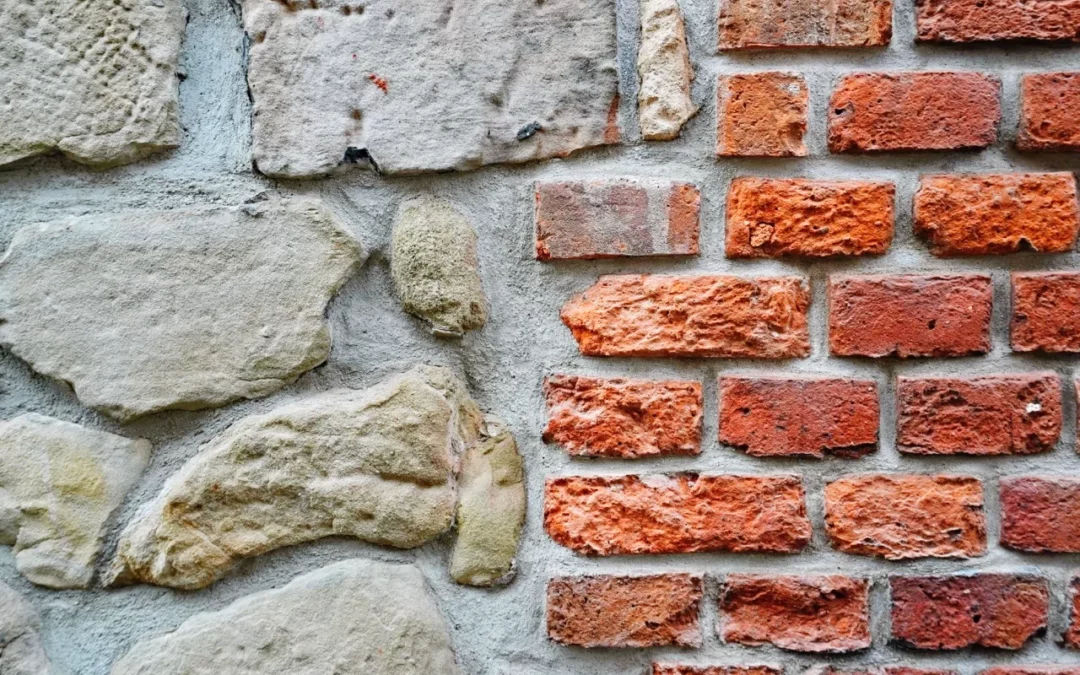
Brick masonry uses manufactured clay bricks that are fired in a kiln, resulting in a uniform, structurally strong building material.
Brick masonry is known for:
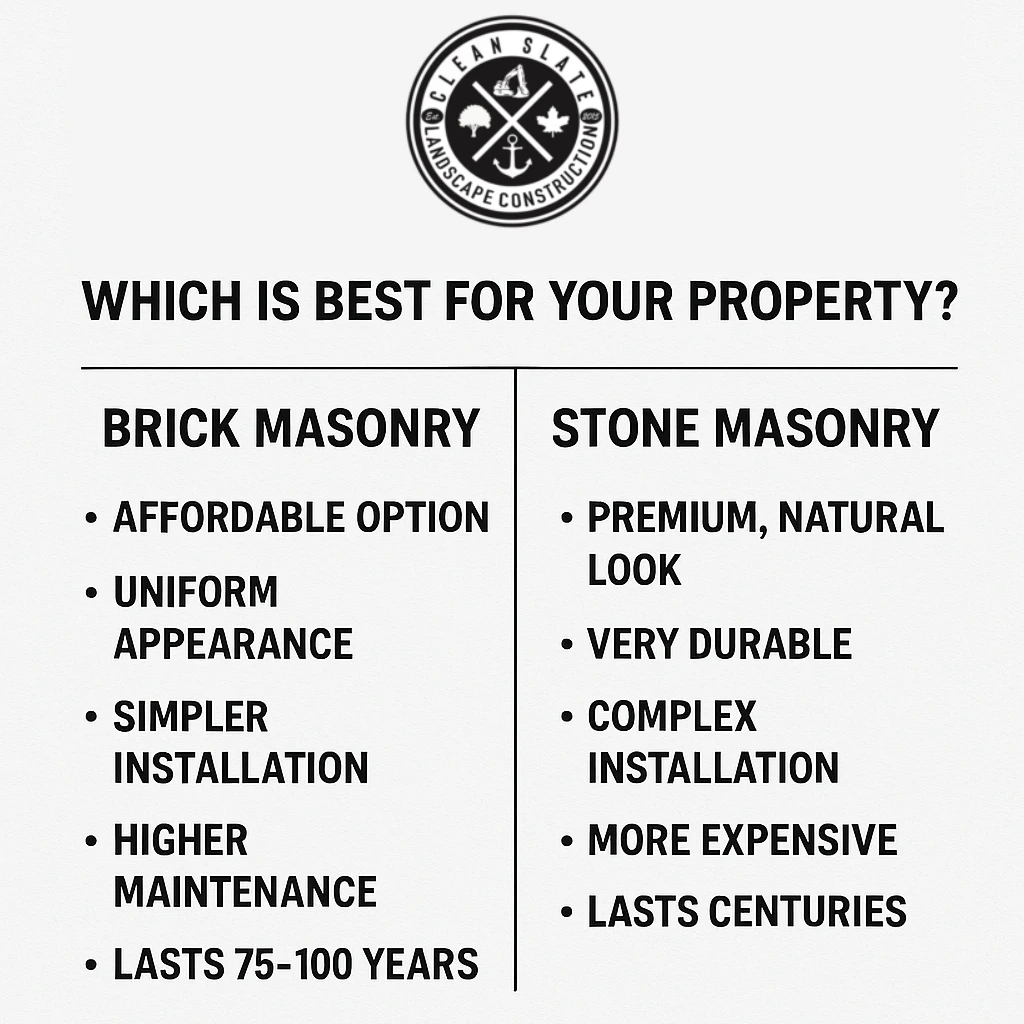
- A classic, clean look
- Consistent color and shape
- More budget-friendly installation
- Strong fire resistance
- Easier repair and replacement
Stone Masonry
Stone masonry uses natural stone—such as granite, limestone, slate, sandstone, or fieldstone—to build structural and decorative features.
Stone masonry is known for:
- A premium, natural appearance
- Incredible longevity and durability
- Unique textures and colors
- High weather resistance
- Excellent structural performance
Aesthetic Differences: Style, Texture & Appearance
Both materials can dramatically transform your property, but the look and feel differ.
Brick Masonry Appearance
- Offers a warm, traditional look
- Ideal for colonial, farmhouse, or modern-classic homes
- Available in various shades (red, tan, brown, charcoal)
- Provides a clean, uniform finish
- Great for patios, pathways, and edging
Stone Masonry Appearance
- Provides a rugged, natural, high-end look
- Works beautifully with rustic, contemporary, and luxury properties
- Offers endless variation in shape, color, and texture
- Delivers a bold architectural presence
- Perfect for retaining walls, outdoor fireplaces, and premium patios
Which Should You Choose?
Choose brick if you want a clean, timeless, affordable aesthetic.
Choose stone if you want unmatched natural beauty and long-term elegance.
Durability & Strength
Both materials are extremely durable—but stone is in a different league.
Brick Masonry Durability
- Withstands harsh weather
- Resistant to fire and pests
- Can last 75–100 years with proper installation
- Mortar joints may need repointing over time
Stone Masonry Durability
- One of the strongest natural materials available
- Can last centuries (literally)
- Resists cracking, fading, and erosion
- Capable of supporting heavy structural loads
Which Is Stronger?
Stone masonry is the clear winner in long-term durability.
Installation Complexity & Cost Differences
Brick Masonry Costs & Installation
- Easier and faster to install
- More uniform shapes reduce cutting and shaping time
- Generally more affordable
- Requires less specialized labor
Stone Masonry Costs & Installation
- More complex installation
- Requires skilled stonemasons
- Each stone must be shaped or fitted
- Higher material and labor cost
- Longer installation time
Average Cost Comparison
(Varies by region & design)
- Brick masonry: Lower to mid-range
- Stone masonry: Mid to high-range
Which Offers Better Value?
Stone provides higher resale value and longer lifespan, but brick offers better affordability and faster installation.
Uses & Applications: Where Each Material Works Best
Best Uses for Brick Masonry
- Patios
- Pathways and walkways
- Garden borders
- Steps
- Driveway ribbons or accents
- Exterior walls on homes
- Fire pits
Brick works beautifully for structured, classic landscapes.
Best Uses for Stone Masonry
- Retaining walls
- Outdoor fireplaces
- Premium patios
- Water features
- Structural garden walls
- Outdoor kitchens
- Seating walls
- Large-format steps
Stone is ideal for natural, luxury, and architectural landscape designs.
Maintenance Requirements
Brick Masonry Maintenance
- Low maintenance
- Occasional pressure washing
- Mortar may need repointing every 10–20 years
- Easy to replace individual bricks
Stone Masonry Maintenance
- Extremely low maintenance
- Natural stone rarely needs replacement
- Annual sealing may be required for some stone types
- Nearly impervious to extreme temperatures
Which Requires Less Work?
Both are low-maintenance, but stone is virtually maintenance-free long-term.
Environmental Impact
Brick Masonry Sustainability
- Made from natural clay
- Requires energy-heavy kiln firing
- Long lifespan makes it eco-friendly over time
Stone Masonry Sustainability
- Natural material directly from the earth
- No manufacturing required
- Long lifespan reduces environmental footprint
Stone masonry is generally considered more eco-friendly.
Property Value & Return on Investment
How Brick Adds Value
- Improves curb appeal
- Offers timeless charm
- Budget-friendly upgrades attract buyers
How Stone Adds Value
- Delivers a premium, luxury look
- Increases property value more than brick
- Lasts much longer, reducing replacement costs
Which Adds More Value?
Stone masonry wins for long-term value and perceived quality.
Which Material Is Right for Your Property?
Here’s a quick guide:
Choose Brick If You Want:
✔ A cost-effective masonry option
✔ A classic, uniform look
✔ Faster installation
✔ Easy repairs
✔ A warm, traditional aesthetic
Choose Stone If You Want:
✔ A premium, natural, high-end finish
✔ The strongest, longest-lasting material
✔ Unique shapes, colors, and textures
✔ Luxury outdoor features
✔ Maximum property value increase
Why Professional Installation Matters
Whether you choose brick or stone, expert craftsmanship ensures durability, safety, and long-term performance. A professional Landscape Construction Company provides:
- Proper base preparation
- Correct drainage solutions
- Advanced cutting and shaping techniques
- Structural reinforcement for walls
- Precision alignment for patios and pathways
- Seamless design integration
High-quality Landscape Installation Services ensure your masonry project looks beautiful and performs for decades.
Final Thoughts
Brick and stone masonry both offer incredible benefits for enhancing your outdoor living space. Brick is reliable, affordable, and timeless—while stone masonry delivers unmatched beauty, durability, and value. The best choice comes down to your budget, design goals, and long-term needs. Partnering with a professional team offering expert Masonry Services and Landscape Installation Services ensures your project is built with precision, artistry, and structural integrity. Call 888.912.6706 today to start your next masonry or landscape project.
Frequently Asked Questions
What is the main difference between brick and stone masonry?
Brick masonry uses manufactured clay bricks, while stone masonry uses natural stone such as granite, slate, limestone, or fieldstone. Brick offers uniformity and affordability, while stone provides premium aesthetics and superior longevity.
Which material is more durable: brick or stone?
Stone is generally more durable than brick. Natural stone can last for centuries and withstand extreme weather with minimal wear. Brick is also very strong but may require repointing of mortar joints over time.
Is brick or stone more expensive?
Stone masonry is usually more expensive due to the cost of natural materials and the skilled labor required for installation. Brick masonry is more affordable and faster to install, making it ideal for budget-conscious homeowners.
Which material requires less maintenance?
Both materials are low-maintenance, but stone masonry typically requires the least upkeep. Some stones may benefit from occasional sealing, whereas brick may need mortar repairs after several years.
What projects are best suited for brick masonry?
Brick works well for patios, walkways, edging, garden walls, fire pits, steps, and home façades. Its uniform look makes it popular for traditional and transitional landscapes.