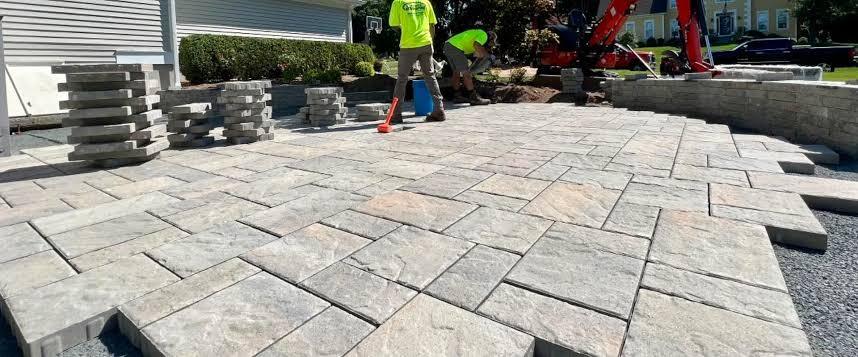
A new paver patio is one of the most valuable upgrades you can make to your outdoor living space. Whether you want an inviting area for entertaining, a quiet place to relax, or a functional extension of your home, a professionally installed patio can transform your backyard while increasing your property’s value.
But if you’ve started collecting estimates, you’ve probably noticed that prices vary significantly.
One contractor quotes $6,500.
Another estimates $11,000.
A third comes back at nearly $18,000.
At first glance, it can be difficult to understand why. After all, aren’t they all installing the same patio?
Not necessarily.
When comparing paver patio cost, many homeowners focus on the visible materials—the style of paver, the color, or the pattern. While those choices certainly affect the price, the biggest difference between a patio that lasts decades and one that begins shifting after a few winters is something you won’t even see once the project is complete: the base preparation.
This is especially important on Cape Cod. Massachusetts experiences regular freeze-thaw cycles that put tremendous stress on outdoor hardscapes. Without proper excavation, drainage, and base installation, even beautiful patios can begin to settle, shift, or heave within just a few years.
This guide explains realistic Cape Cod pricing, the factors that influence installation costs, and why investing in proper base preparation can save thousands of dollars in future repairs.
What Does a Paver Patio Cost on Cape Cod?
Although every property is unique, homeowners across Cape Cod can generally expect the following price ranges for professionally installed paver patios.
| Patio Size | Typical Price Range |
|---|---|
| 150–250 sq. ft. | $5,000–$9,000 |
| 250–450 sq. ft. | $8,000–$16,000 |
| 450–700+ sq. ft. | $15,000–$30,000+ |
Most professionally installed patios fall within these average square-foot costs:
- Standard concrete pavers: $25–$45 per square foot
- Premium concrete pavers: $35–$55 per square foot
- Clay brick pavers: $35–$60 per square foot
- Natural stone patios: $45–$70+ per square foot
These estimates typically include:
- Site evaluation
- Layout planning
- Excavation
- Removal of unsuitable soil
- Aggregate base installation
- Compaction
- Bedding sand
- Paver installation
- Edge restraints
- Polymeric joint sand
- Final cleanup
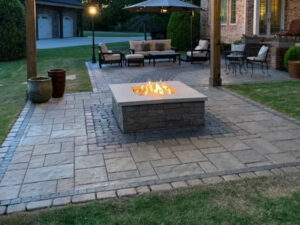
Additional features such as retaining walls, steps, drainage improvements, fire pits, outdoor kitchens, lighting, or seating walls will increase the total project investment.
What Factors Affect Paver Patio Cost?
No two patio installations are exactly alike. Several factors determine how much labor, equipment, and materials are required.
1. The Type of Paver You Choose
The material itself plays a significant role in determining overall project cost.
Concrete Pavers
Concrete pavers are the most common option for Cape Cod homeowners because they offer an excellent combination of durability, affordability, and design flexibility.
Benefits include:
- Wide range of colors
- Numerous textures
- Modern and traditional styles
- Multiple laying patterns
- Easy replacement if damaged
- Lower material costs than natural stone
Concrete pavers are ideal for homeowners looking for a durable patio without exceeding their budget.
Clay Brick Pavers
Brick pavers provide timeless New England charm.
They’re especially popular around colonial-style homes and historic properties.
Advantages include:
- Rich natural color
- Fade resistance
- Classic appearance
- Long lifespan
- Traditional aesthetic
Because brick pavers cost more than standard concrete products and often require additional installation time, projects using brick generally fall into a higher price range.
Natural Stone
Natural stone creates one of the most elegant outdoor living spaces available.
Common options include:
- Bluestone
- Granite
- Flagstone
- Travertine
Each piece is unique, creating a patio with a one-of-a-kind appearance.
Natural stone is also extremely durable, but because every stone varies slightly in size and shape, installation requires additional labor and expertise.
2. Patio Size
Larger patios naturally require:
- More excavation
- More aggregate
- More bedding sand
- More pavers
- More labor hours
- Longer installation time
However, larger projects sometimes benefit from economies of scale, meaning the cost per square foot may decrease slightly as the patio size increases.
3. Patio Shape and Design Complexity
Simple rectangular patios are typically less expensive than custom layouts.
Decorative features that increase labor include:
- Curved edges
- Multiple elevation changes
- Circular patios
- Herringbone patterns
- Basket weave layouts
- Decorative borders
- Accent bands
- Inlays
- Mixed paver sizes
While these details create stunning finished projects, they require more cutting, planning, and installation time.
4. Existing Site Conditions
Every property presents different challenges.
Conditions that can increase installation costs include:
- Steep slopes
- Existing retaining walls
- Tree roots
- Wet soils
- Drainage problems
- Existing concrete removal
- Old patio demolition
- Limited equipment access
A backyard accessible only through a narrow gate often requires significantly more manual labor than a property where machinery can easily reach the installation area.
5. Drainage Requirements
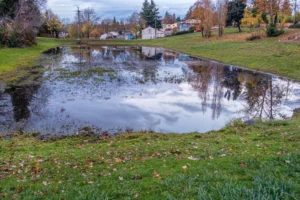
Cape Cod properties often require drainage improvements before installing hardscapes.
Without proper drainage, water can accumulate beneath the patio, increasing frost movement during winter.
Drainage solutions may include:
- Surface grading
- Drainage swales
- French drains
- Catch basins
- Downspout extensions
Although these improvements add to the initial investment, they help protect your patio for decades.
Why Base Preparation Is the Most Important Cost Factor on Cape Cod
Many homeowners assume pavers themselves determine the quality of the finished patio.
In reality, the most important work happens before the first paver is ever installed.
This is particularly true in Massachusetts.
Cape Cod’s Freeze-Thaw Climate Creates Unique Challenges
Winter weather causes the ground to expand and contract repeatedly.
Here’s what happens:
- Water enters the soil.
- Temperatures drop below freezing.
- Moisture expands as it freezes.
- The ground pushes upward.
- Temperatures rise.
- The soil settles again.
This cycle repeats many times every winter.
Without a properly prepared base, these movements cause patios to:
- Sink
- Heave
- Shift
- Separate
- Develop trip hazards
- Collect standing water
Many patio failures are not caused by poor materials—they’re caused by inadequate installation underneath the surface.
Proper Excavation Makes the Difference
Excavation involves removing unstable soil before construction begins.
Unfortunately, some low-cost installations simply place aggregate directly over existing ground.
While this saves time and money initially, it often leads to future settling because the underlying soil wasn’t properly prepared.
Professional excavation creates a stable foundation that supports the entire patio system.
Aggregate Base Depth Matters
The aggregate base provides structural support beneath every paver.
Professional installations typically include several inches of compacted crushed aggregate specifically designed to distribute loads while allowing proper drainage.
The correct depth depends on:
- Soil conditions
- Drainage
- Intended use
- Local climate
Skipping aggregate depth is one of the fastest ways to reduce installation costs—but it’s also one of the biggest reasons patios fail prematurely.
Compaction Cannot Be Skipped
Proper compaction is just as important as aggregate depth.
The aggregate should be installed in layers and compacted repeatedly using professional equipment.
Without adequate compaction:
- The base settles unevenly
- Low spots develop
- Pavers loosen
- Water pools
- Frost movement increases
Professional installers take the time to compact each layer rather than rushing through the process.
Edge Restraints Protect the Entire Patio
Pavers rely on edge restraints to maintain their shape.
Without properly installed edging, individual pavers gradually spread outward over time.
The result is:
- Wider joints
- Loose pavers
- Uneven edges
- Structural movement
Quality edge restraints help preserve the patio’s appearance for decades.
Why Drainage Is Equally Important
Cape Cod receives significant rainfall throughout the year.
Without proper drainage:
- Water collects beneath the patio.
- Freeze-thaw movement becomes worse.
- Joint sand washes away.
- Base materials weaken.
A properly graded patio directs water away from the home while protecting the hardscape from moisture-related damage.
Pavers vs. Poured Concrete on Cape Cod
Homeowners often compare pavers with traditional concrete slabs.
Here’s how they compare.
| Feature | Pavers | Poured Concrete |
|---|---|---|
| Initial Cost | Higher | Lower |
| Appearance | Highly customizable | Limited finishes |
| Repairs | Individual pavers replaced | Entire slab often repaired |
| Freeze-Thaw Performance | Excellent | More susceptible to cracking |
| Longevity | 30–50+ years | 20–30 years |
| Maintenance | Occasional joint sand | Crack repair and sealing |
Concrete certainly has a place in some applications.
However, because large concrete slabs cannot flex with ground movement, freeze-thaw cycles frequently create cracks over time.
Individual pavers, by comparison, allow for minor movement without compromising the entire surface.
Why the Cheapest Quote Usually Isn’t the Best Value
Everyone wants to save money.
But when comparing patio estimates, it’s important to understand what each contractor includes.
Very low bids often reduce costs by cutting corners in areas homeowners never see.
Common shortcuts include:
- Minimal excavation
- Thin aggregate bases
- Poor compaction
- Lower-quality edge restraints
- No drainage improvements
- Less experienced labor
The finished patio may look beautiful immediately after installation.
The problems usually don’t appear until several New England winters have passed.
By then, homeowners may face repairs that cost thousands of dollars.
Instead of asking only, “How much does it cost?” consider asking:
- How deep will the excavation be?
- What type of aggregate is used?
- How thick will the compacted base be?
- How will drainage be handled?
- Will polymeric sand be installed?
- What warranty is offered?
- How is the patio compacted during installation?
The answers often reveal far more about long-term value than the total price alone.
Choose a Patio Built for Cape Cod’s Climate
A paver patio is a long-term investment that should provide decades of enjoyment—not just a few seasons.
At Clean Slate Landscape & Construction, every patio is designed with Cape Cod’s climate in mind. From proper excavation and drainage to carefully compacted aggregate bases and quality materials, our goal is to build outdoor living spaces that perform beautifully through every New England season.
If you’re comparing estimates or planning your next outdoor project, learn more about our patio installation Cape Cod services. We’ll walk you through your options, explain every step of the installation process, and help you choose a patio that fits your home, your lifestyle, and your budget.
Frequently Asked Questions
How much does a paver patio cost per square foot on Cape Cod?
Most professionally installed paver patios cost between $25 and $45 per square foot for standard concrete pavers. Premium pavers, natural stone, complex layouts, and challenging site conditions can increase costs to $45–$70+ per square foot.
Are pavers more expensive than poured concrete?
Yes. Pavers generally have a higher upfront installation cost than poured concrete. However, they often provide greater long-term value because they resist freeze-thaw damage better and allow individual pavers to be replaced without removing the entire patio.
Why does proper base preparation matter so much on Cape Cod?
Cape Cod experiences repeated freeze-thaw cycles throughout the winter. A properly excavated and compacted aggregate base helps minimize frost heave, prevents settling, improves drainage, and significantly extends the life of the patio. Skipping this step may reduce the initial price but often leads to expensive repairs later.
How long does a professionally installed paver patio last?
With proper installation and routine maintenance, a paver patio can last 30 to 50 years or longer. Regular cleaning, occasional replenishment of polymeric sand, and prompt replacement of damaged pavers help maximize its lifespan.
What maintenance does a paver patio require?
Maintenance is relatively simple and may include sweeping debris, washing the surface when needed, controlling weeds around edges, replacing joint sand over time, and resealing certain types of pavers if recommended by the manufacturer.
Can a paver patio increase my home’s value?
Yes. A professionally installed patio enhances outdoor living space, improves curb appeal, and is often viewed as a desirable feature by potential buyers. While the exact return on investment varies, quality hardscaping can positively impact property value and marketability.
When is the best time to install a paver patio on Cape Cod?
Spring, summer, and early fall are generally the best seasons for patio installation because weather conditions are favorable for excavation and construction. Scheduling your project early can also help ensure completion before peak outdoor entertaining season.
Should I choose concrete pavers, brick, or natural stone?
The best material depends on your budget, design preferences, and maintenance expectations. Concrete pavers offer excellent value and versatility, brick provides a timeless New England appearance, and natural stone delivers a premium, high-end look with exceptional durability. A local contractor can help you choose the material that best complements your home and landscape.