Planning a Retaining Wall Project on Cape Cod?
Whether you’re dealing with a sloped yard, preventing erosion, creating level outdoor living space, or improving your property’s appearance, a retaining wall is often one of the most valuable landscape investments you can make.
One of the first questions homeowners ask is:
“How much does a retaining wall cost?”
If you’ve searched online, you’ve likely found national cost calculators quoting broad price ranges that don’t reflect what homeowners actually pay here on Cape Cod.
The truth is that retaining wall costs in Mashpee and throughout Cape Cod are influenced by factors that many national guides overlook, including:
- New England freeze-thaw cycles
- Sandy and glacial soil conditions
- Drainage requirements
- Frost-depth excavation
- Local permitting
- Material availability
- Engineering requirements for taller walls
A retaining wall isn’t simply stacked stone or concrete blocks. It’s an engineered structure designed to hold back thousands of pounds of soil. When built correctly, it can last for decades. When corners are cut, it can lean, crack, bulge, or even fail completely.
This guide explains realistic retaining wall cost ranges on Cape Cod, what influences pricing, and why professional installation is especially important in Massachusetts.
What Does a Retaining Wall Cost on Cape Cod?
Every retaining wall is unique, but homeowners across Cape Cod can generally expect the following price ranges.
| Wall Type | Typical Installed Cost |
|---|---|
| Small decorative wall | $3,000–$6,000 |
| Medium retaining wall | $6,000–$15,000 |
| Large structural retaining wall | $15,000–$40,000+ |
For comparison, professionally installed retaining walls generally cost approximately:
- Concrete block walls: $70–$120 per square foot of wall face
- Natural stone retaining walls: $90–$180+ per square foot
- Large boulder retaining walls: $100–$200+ per square foot
Many homeowners also compare pricing by linear foot.
Typical installed costs include:
- Basic block wall (3–4 feet high): $150–$350 per linear foot
- Natural stone wall: $250–$500+ per linear foot
- Large engineered walls: Pricing varies significantly depending on engineering, drainage, and site conditions.
These estimates typically include:
- Site evaluation
- Excavation
- Base preparation
- Drainage materials
- Wall materials
- Installation
- Backfill
- Compaction
- Cleanup
Additional grading, excavation, landscaping, stairs, lighting, or extensive drainage work will increase overall costs.
What Factors Drive Retaining Wall Cost?
No two retaining wall projects cost exactly the same. Several important variables influence the final price.
1. Material Selection
The material you choose has one of the biggest impacts on both cost and appearance.
Concrete Block Retaining Walls
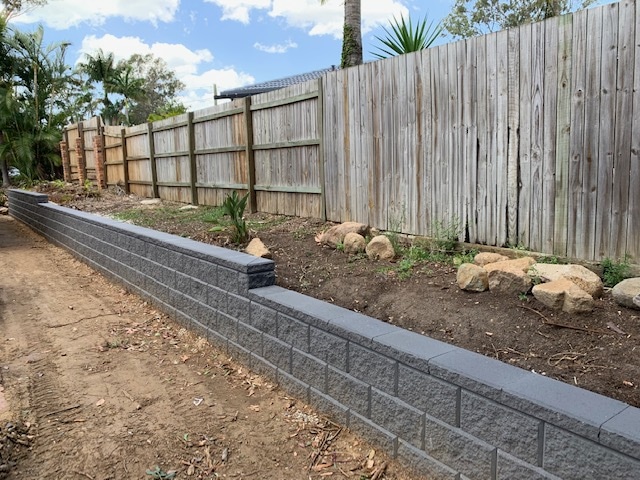
Concrete retaining wall blocks remain one of the most popular options on Cape Cod.
Benefits include:
- Consistent appearance
- Excellent structural strength
- Wide variety of colors
- Multiple textures
- Efficient installation
- Good long-term durability
Concrete block systems offer an excellent balance between affordability and performance.
Natural Stone Retaining Walls
Natural stone creates a timeless New England appearance that complements many Cape Cod homes.
Popular choices include:
- Granite
- Fieldstone
- Bluestone
Advantages include:
- Premium appearance
- Exceptional durability
- Natural variation
- Increased curb appeal
Because natural stone requires more skilled labor and carefully fitting irregular pieces together, installation costs are generally higher.
Boulder Retaining Walls
Large natural boulders create a rustic, coastal landscape aesthetic.
These walls work particularly well on larger properties or where homeowners want a more natural appearance.
However, they require:
- Heavy equipment
- Experienced installation
- Careful placement
As a result, pricing is often higher than standard retaining wall systems.
2. Wall Height
Wall height significantly affects construction costs.
As walls become taller:
- More excavation is required.
- Larger foundations are needed.
- Additional drainage is necessary.
- More reinforcement may be required.
- Engineering requirements become more common.
Even adding one additional foot of height can noticeably increase the overall project cost.
3. Wall Length
Longer walls require:
- More materials
- More labor
- More excavation
- Additional drainage
- Increased backfill
While larger projects may benefit from slight economies of scale, overall costs rise as wall length increases.
4. Site Accessibility
Not every property offers easy access.
Limited access often means crews must transport materials manually instead of using machinery.
Factors affecting labor include:
- Narrow side yards
- Steep slopes
- Existing landscaping
- Mature trees
- Fences
- Utilities
Difficult access often increases installation time.
5. Excavation Requirements
Before construction begins, contractors must understand what’s beneath the surface.
Unexpected conditions may include:
- Large rocks
- Existing foundations
- Utility conflicts
- Wet soils
- Poor subgrade
Additional excavation or soil replacement can increase costs but provides a much stronger long-term foundation.
6. Drainage Systems
Drainage is one of the most overlooked parts of a retaining wall—and one of the most important.
Most professionally built retaining walls include:
- Clean drainage stone
- Drain pipe
- Filter fabric
- Proper backfill
- Water outlets
Although drainage materials add to the initial cost, they dramatically improve the wall’s lifespan.
Cape Cod and New England Factors That Affect Retaining Wall Cost
This is where local experience matters.
Many national cost guides fail to account for the environmental conditions unique to Cape Cod and the rest of Massachusetts.
Freeze-Thaw Cycles
Cape Cod experiences repeated freezing and thawing throughout the winter.
Water trapped behind a retaining wall expands when frozen.
That pressure can cause:
- Bulging walls
- Cracking
- Leaning
- Structural movement
Proper construction accounts for these seasonal changes.
Sandy and Glacial Soils
Many Cape Cod properties sit on sandy or glacial soils.
While sandy soils often drain well, they can also shift if not properly compacted.
Some sites require:
- Additional excavation
- Improved base preparation
- Soil stabilization
- Extra drainage
Each property should be evaluated individually before construction begins.
Frost Depth Requirements
Massachusetts experiences significant frost penetration during winter.
Foundations must be designed with local frost conditions in mind to minimize movement over time.
Skipping proper excavation depth may reduce upfront costs but often results in expensive repairs later.
Engineering Requirements
Retaining walls above certain heights or walls supporting significant loads may require engineering.
Examples include walls near:
- Driveways
- Buildings
- Pools
- Parking areas
- Steep slopes
Engineering increases project costs but ensures the wall performs safely for decades.
Local Permitting
Depending on your municipality and project scope, permits may be required.
Permit requirements often depend on:
- Wall height
- Property lines
- Drainage
- Structural loading
- Conservation restrictions
- Wetland setbacks
An experienced local contractor understands Cape Cod permitting requirements and helps homeowners navigate the process.
Why Proper Drainage Is Non-Negotiable
Many homeowners focus on choosing attractive stone or block.
Professionals focus first on drainage.
Why?
Because water is the number one cause of retaining wall failure.
Without proper drainage:
- Water builds behind the wall.
- Hydrostatic pressure increases.
- Soil becomes saturated.
- The wall begins to lean.
- Blocks separate.
- Cracks develop.
Eventually, sections of the wall may fail entirely.
Proper drainage systems relieve this pressure by directing water safely away from the structure.
This includes:
- Perforated drain pipe
- Free-draining aggregate
- Filter fabric
- Proper grading
- Controlled discharge
Although these components remain hidden after construction, they’re among the most valuable parts of the entire project.
Why the Cheapest Quote Can Become the Most Expensive
Retaining walls often look similar immediately after installation.
The differences usually appear several winters later.
Low-cost installations frequently reduce expenses by cutting corners on:
- Excavation
- Base preparation
- Drainage stone
- Drain pipe
- Compaction
- Reinforcement
- Engineering
The result may include:
- Leaning walls
- Bulging sections
- Cracks
- Poor drainage
- Premature failure
Repairing a failed retaining wall is almost always more expensive than building it correctly the first time.
Instead of comparing estimates based solely on price, ask contractors questions such as:
- How deep will the base be excavated?
- What drainage system will be installed?
- Will drain pipe be included?
- Is engineering required?
- How will frost protection be addressed?
- What warranty is provided?
- Has the design been tailored for Cape Cod soil conditions?
Detailed answers usually indicate a contractor focused on long-term performance rather than simply offering the lowest price.
Choose a Retaining Wall Built for Cape Cod Conditions
A retaining wall should do more than hold back soil—it should withstand years of New England weather while enhancing your property’s appearance and functionality.
At Clean Slate Landscape & Construction, we design and build retaining walls specifically for Cape Cod conditions. From proper excavation and drainage to durable materials and quality craftsmanship, every project is built with long-term performance in mind.
If you’re comparing estimates or planning a new landscape project, learn more about our retaining wall construction Cape Cod services. We’ll evaluate your property, explain your options, and provide a detailed estimate based on your site’s unique conditions—not a generic national average.
Frequently Asked Questions
How much does a retaining wall cost per linear foot?
For professionally installed retaining walls on Cape Cod, costs typically range from $150 to $350 per linear foot for standard concrete block walls around 3 to 4 feet tall. Natural stone, boulder walls, taller structures, and engineered installations can cost $250 to $500 or more per linear foot, depending on site conditions and materials.
What is the cheapest retaining wall option?
Concrete retaining wall blocks are generally the most cost-effective option for homeowners seeking durability, structural performance, and attractive appearance. While timber walls may have a lower upfront cost in some regions, they typically have a shorter lifespan and are less suitable for long-term performance in New England’s freeze-thaw climate.
Do I need a permit for a retaining wall on Cape Cod?
It depends on the wall’s height, location, and purpose. Some retaining walls require permits, particularly taller structural walls or those located near property lines, wetlands, driveways, or buildings. Local municipal regulations vary, so it’s best to consult an experienced Cape Cod contractor before beginning construction.
Why is drainage so important behind a retaining wall?
Drainage prevents water from building up behind the wall. Without proper drainage, hydrostatic pressure can cause the wall to lean, crack, bulge, or fail. Drainage stone, perforated drain pipe, filter fabric, and proper grading all help extend the wall’s lifespan.
How long does a professionally installed retaining wall last?
A properly designed and professionally installed retaining wall can last 50 years or more, depending on the materials used, drainage system, soil conditions, and ongoing maintenance. Natural stone and engineered concrete block systems generally offer excellent long-term durability.
Does wall height affect the overall cost?
Yes. As wall height increases, additional excavation, stronger foundations, more drainage, extra reinforcement, and sometimes engineering become necessary. Taller walls require more materials and labor, making height one of the biggest factors influencing the total project cost.
Is natural stone worth the additional cost?
For many Cape Cod homeowners, natural stone is a worthwhile investment because of its timeless appearance, durability, and ability to complement traditional New England architecture. While it has a higher upfront cost than concrete block, it offers exceptional curb appeal and long-term value.
When is the best time to build a retaining wall on Cape Cod?
Spring through fall is generally the ideal time for retaining wall construction. Starting your project during the warmer months allows for easier excavation, favorable weather conditions, and completion before winter freeze-thaw cycles begin.