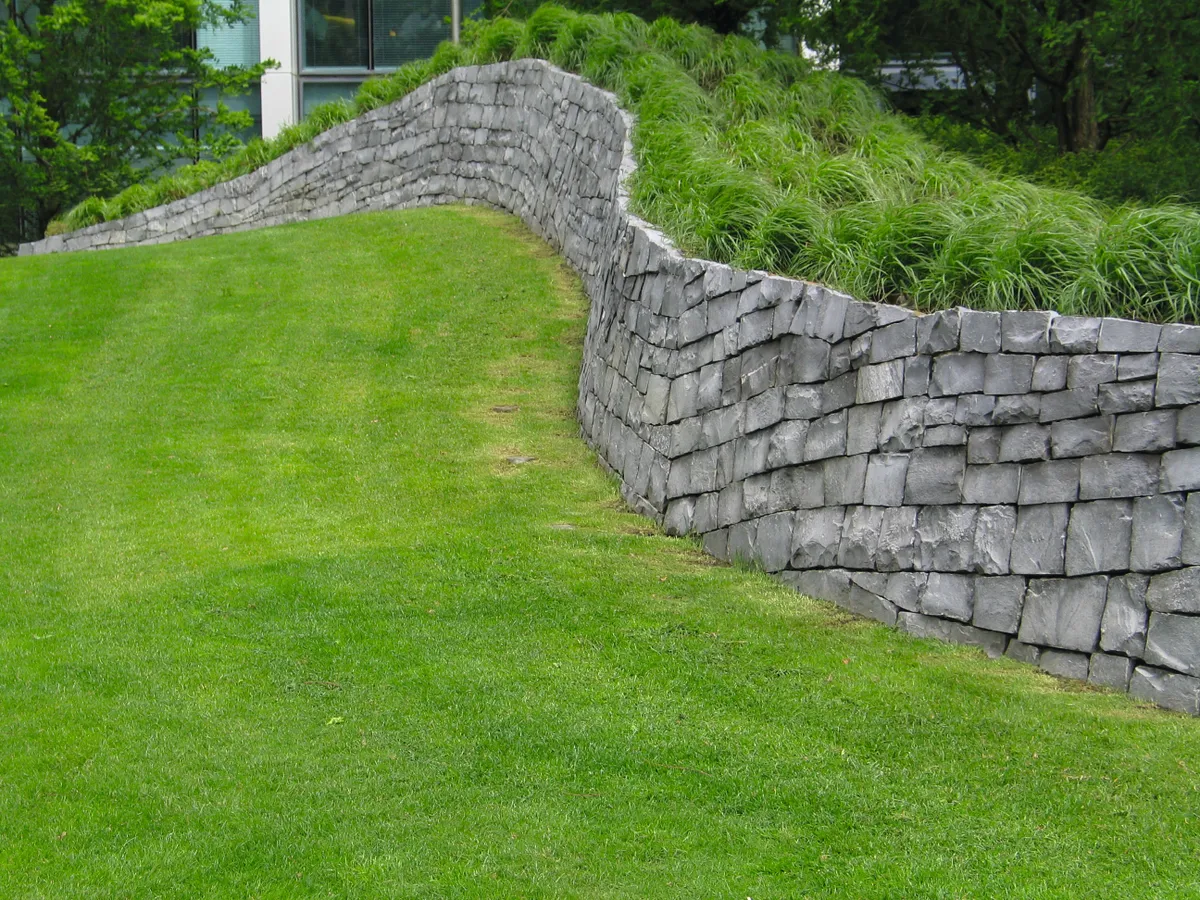
Sometimes it starts with a glance out the window.
Maybe the top line of your yard wall doesn’t look as straight as it used to. Maybe there’s a small crack you swear wasn’t there last year. Most homeowners notice these things quietly, long before anyone else would.
If that’s happening to you, it’s not overreacting — it’s awareness.
Many people begin asking questions after spotting these early signs and exploring options like retaining wall services on Cape Cod. They’re not necessarily looking for a major project. They just want to know if something is wrong.
And that’s a smart instinct.
Because outdoor structures rarely fail overnight. Most problems give warnings first.
A Wall That Begins to Lean Forward
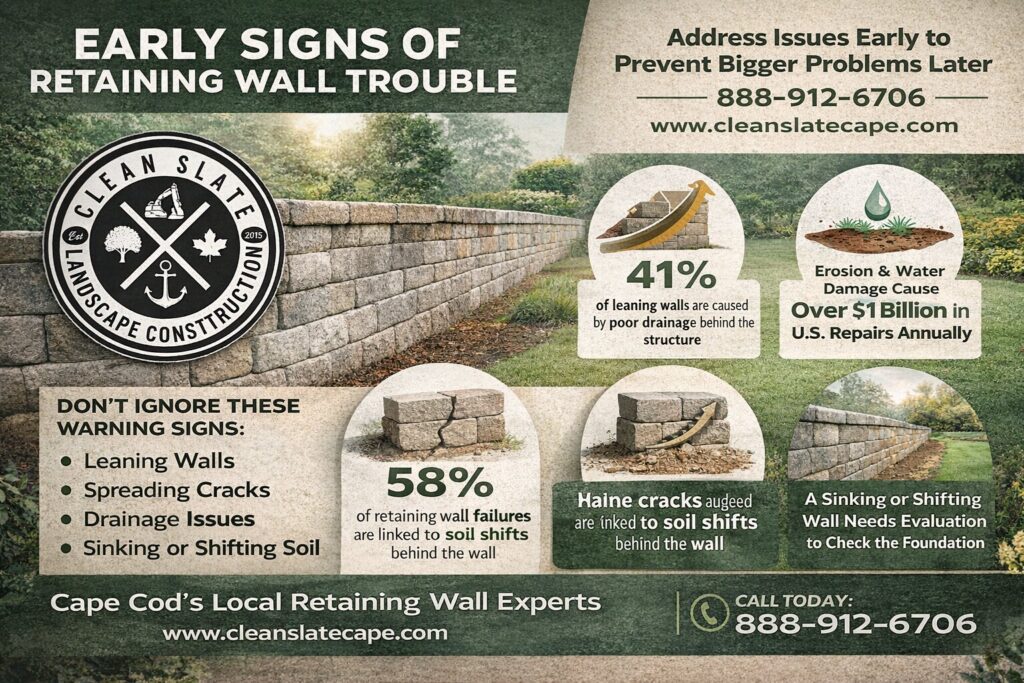
A leaning wall is often the first visible sign that pressure is building behind the structure.
At first, the shift may be subtle. The top line may bow slightly outward, or one section might look like it’s leaning toward the yard.
Many homeowners notice this slowly over time.
One year the wall looks normal. The next year it seems just a little different. By the third year, the tilt becomes difficult to ignore.
The cause is often pressure from soil and water building behind the wall. Without proper support and drainage, that pressure slowly pushes the structure forward.
Think of it like someone steadily leaning against a door. Eventually, even a strong door will begin to move.
The good news is that leaning walls can often be addressed before full failure happens — especially when caught early.
Cracks That Slowly Spread
Cracks are another warning sign homeowners often notice first.
Small hairline cracks may appear in older masonry structures, and not every crack signals a serious issue. But widening gaps or fractures that travel through multiple stones or blocks deserve attention.
These cracks often form because the structure beneath the wall is shifting.
Sometimes it’s soil movement.
Sometimes it’s water pressure.
Sometimes it’s an uneven base that’s slowly settling.
One homeowner once described it this way:
“At first it looked like a scratch. A year later it looked like the wall was trying to tell us something.”
Cracks often speak early — long before larger damage appears.
Water Appearing Where It Shouldn’t
Water is one of the most powerful forces working against outdoor structures.
When drainage systems behind a wall aren’t functioning properly, water begins to build pressure underground. That pressure pushes outward against the wall.
The warning signs can appear in small ways.
You might notice:
- Water seeping between stones after rain
- Damp soil collecting near the base
- Persistent puddles along the wall line
- Moss or algae growing where moisture stays trapped
These signs often mean water isn’t moving away from the structure the way it should.
Left alone, that pressure can slowly weaken even strong masonry work.
Soil That Begins to Move or Sink
Your landscape should feel stable.
When soil starts moving where it shouldn’t, it usually means the support system underneath is changing.
Homeowners sometimes notice small gaps forming behind the wall. Other times the soil at the top edge begins to sink or feel softer than usual.
In some cases, plants or garden beds above the wall may begin tilting slightly.
These changes may look small, but they signal movement underground.
Over time, shifting soil can remove the support the wall depends on.
Stones or Blocks That Feel Loose
A well-built structure should feel solid from top to bottom.
If individual stones or blocks begin moving independently, it often means the structure underneath is no longer holding them securely.
This can show up in simple ways.
You might notice one stone sitting slightly higher than the rest. A block may wiggle slightly when touched. Or the spacing between materials might look uneven compared to the rest of the wall.
These changes are usually a sign that the base or reinforcement beneath the surface is weakening.
And because most of the structural system is hidden underground, those visible shifts become an important early clue.
When Your Instinct Says Something Feels Off
Sometimes the most important warning sign isn’t visual at all.
It’s instinct.
Homeowners often say they noticed something felt different long before they could explain why.
The top line doesn’t look level anymore.
The wall seems to cast a different shadow.
Or the structure simply doesn’t feel as solid as it once did.
One client told us:
“I walked past it every day for ten years. One day I just stopped and thought… that doesn’t look right.”
Trust that feeling.
Your eyes and instincts are often the first inspection tools your property has.
Small Problems Don’t Have to Become Big Ones
Seeing any of these warning signs can feel unsettling. Many homeowners worry that noticing damage means facing a large and expensive repair.
But that isn’t always the case.
In many situations, addressing issues early allows solutions that are far simpler and less disruptive. Improving drainage, reinforcing certain sections, or correcting underlying soil movement can restore stability.
We’ve seen many situations where homeowners felt overwhelmed at first — only to discover the problem was manageable once it was properly evaluated.
One Cape Cod homeowner shared this after their project was completed:
“We spent months worrying the wall might collapse. Once the work was done, the yard felt safe again.”
That sense of relief matters.
Because a stable landscape doesn’t just protect your property. It gives you peace of mind every time you step outside.
Frequently Asked Questions
How can I tell if my wall is actually leaning?
A small visual shift may not always mean structural failure, but noticeable forward tilting or bulging sections often indicate pressure building behind the structure. If the top edge no longer appears straight, it’s worth having it evaluated.
Are small cracks always a serious problem?
Not always. Minor hairline cracks can occur naturally over time. However, cracks that grow wider, travel through multiple blocks, or appear alongside leaning sections should be inspected.
Why does water cause so many problems for landscape walls?
Water adds weight and pressure to the soil behind the wall. Without proper drainage systems to redirect it, that pressure can push outward against the structure and weaken its support.
Can a damaged wall be repaired instead of replaced?
In some cases, yes. If issues are caught early, repairs may involve reinforcing sections, correcting drainage, or stabilizing soil. More advanced damage may require rebuilding certain areas.
How long should a properly built wall last?
With correct preparation, materials, and drainage, a well-built structure can last decades. The key is ensuring the foundation and drainage system beneath the wall are designed properly.
What should I do if I notice one of these warning signs?
Start by documenting the change. Take photos and observe whether the problem grows over time. Having a professional evaluate the structure can help determine whether the issue is cosmetic or structural.
Call 888-912-6706 or visit our retaining wall construction services in Cape Cod to learn more about our Retaining Wall Construction services in Cape Cod.