DIY landscape installation is appealing for many homeowners. It promises cost savings, creative freedom, and the satisfaction of building something with your own hands. But what often starts as an exciting weekend project can quietly turn into years of frustration, wasted money, and avoidable repairs.
Professional landscapers don’t just install plants and patios—they prevent problems before they happen. Understanding the most common mistakes made during DIY landscape installation can help you decide when to move forward on your own and when expert support may save you far more than it costs.
Below are the most frequent—and expensive—mistakes homeowners make when tackling landscape projects without professional guidance.
Mistake #1: Skipping a Master Plan
One of the biggest DIY errors is starting without a long-term landscape plan. Many homeowners focus on individual features—adding a patio here, planting shrubs there—without considering how everything should function together over time.
Without a cohesive plan, you may end up with:
- Walkways that interrupt drainage
- Plants that outgrow their space
- Hardscapes that block future additions
- Inconsistent styles that clash visually
A professional-grade plan, like those used in Landscape Design Services in Massachusetts, considers traffic flow, sun exposure, drainage, seasonal changes, and future upgrades before installation begins.
Mistake #2: Ignoring Soil and Drainage Conditions
Soil is not just dirt—it’s the foundation of your entire landscape. Many DIY installations fail because homeowners don’t test soil composition or understand how water moves across their property.
Common consequences include:
- Plants that struggle or die prematurely
- Standing water after rain
- Soil erosion near foundations or patios
- Frost heaving during winter months
Professionals evaluate soil type, compaction, and slope before selecting materials or plantings. This groundwork is essential for long-term stability, especially in coastal regions like Cape Cod.
Mistake #3: Choosing the Wrong Plants
Homeowners often select plants based on appearance rather than performance. While a plant may look great at the garden center, it might be completely unsuited for your climate, soil, or sun exposure.
DIY plant selection mistakes include:
- Choosing non-native or high-maintenance species
- Ignoring mature plant size
- Placing sun-loving plants in shaded areas
- Overcrowding beds with fast-growing varieties
Professionals familiar with Landscape Installation Services in Cape Cod, Massachusetts understand which plants thrive in coastal conditions and which ones will become ongoing maintenance burdens.
Mistake #4: Improper Patio and Hardscape Installation
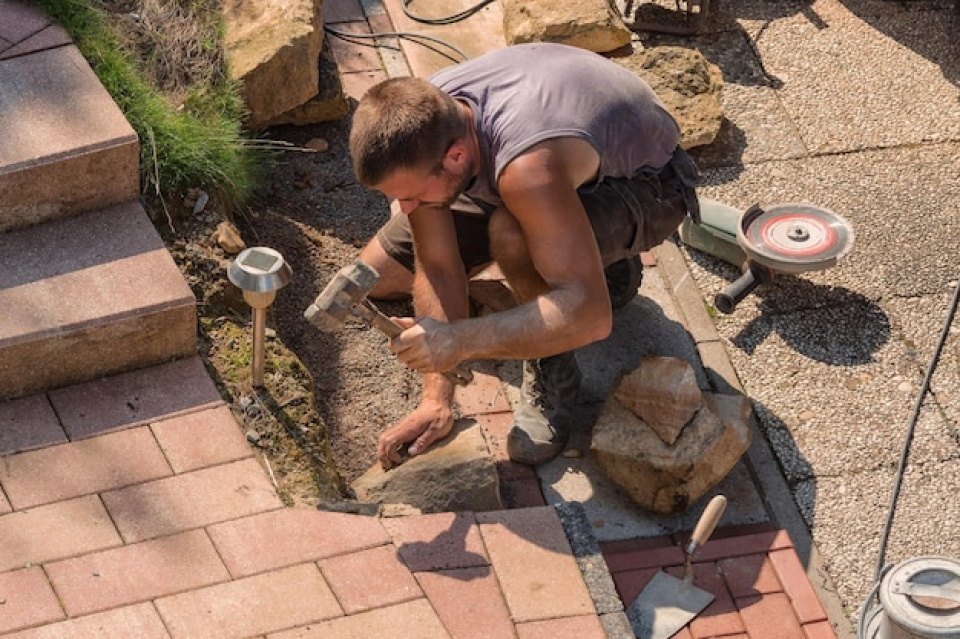
Hardscapes are among the most expensive elements to redo. DIY patio installations often fail due to shortcuts in base preparation, leveling, and drainage.
Common issues include:
- Uneven settling
- Cracked pavers or stone
- Water pooling near the home
- Weed growth between joints
Proper base depth, compaction, and grading are critical. This is why Patio Installation Services in Massachusetts focus heavily on foundation preparation—not just surface appearance.

Mistake #5: Underestimating Structural Requirements
Many landscape elements require more engineering than expected. Retaining walls, outdoor kitchens, steps, and raised patios must handle weight, water pressure, and seasonal freeze-thaw cycles.
DIY miscalculations can lead to:
- Leaning or collapsing walls
- Unsafe steps and landings
- Structural damage over time
- Code violations
A professional Landscape Construction Company in Cape Cod, Massachusetts accounts for load-bearing requirements, permits, and local building standards—details that are often overlooked in DIY builds.
Mistake #6: Failing to Plan for Maintenance
A beautiful landscape that demands constant upkeep can quickly become overwhelming. DIY installers often create designs that look great initially but are unrealistic to maintain long-term.
Maintenance-related mistakes include:
- Overplanting high-maintenance species
- Installing features that are difficult to clean or repair
- Choosing materials that weather poorly
- Neglecting irrigation planning
Professionals design landscapes that balance beauty with sustainability, ensuring your outdoor space remains enjoyable—not exhausting.
Mistake #7: Cutting Corners to Save Money
Trying to reduce costs by skipping steps or using subpar materials usually results in higher expenses later. Replacing failed patios, dead plants, or damaged drainage systems often costs more than doing it correctly the first time.
Hidden costs of DIY shortcuts include:
- Reinstallation labor
- Replacement materials
- Property damage repairs
- Reduced home value
Quality landscape installation is an investment, not an expense—and professional execution protects that investment.
Mistake #8: Overlooking Local Climate Challenges
New England landscapes face unique challenges, including salt exposure, heavy snow loads, wind, and fluctuating temperatures. DIY projects often fail because they don’t account for these regional stressors.
Professionals adapt designs to withstand:
- Coastal winds
- Winter freeze-thaw cycles
- Salt exposure from roads and sea air
- Seasonal rainfall patterns
Local expertise matters far more than generic landscaping advice found online.
Mistake #9: Forgetting About Safety and Accessibility
DIY landscapes sometimes prioritize aesthetics over usability and safety. Poor lighting, steep grades, or uneven walkways can increase the risk of falls and injuries.
Professionals evaluate:
- Safe step heights
- Proper lighting placement
- Non-slip surfaces
- Accessible pathways for all ages
These considerations protect both your family and your property value.
Mistake #10: Not Knowing When to Call a Professional
DIY landscaping isn’t all-or-nothing. Many homeowners successfully handle planting beds or small decorative features but struggle with structural or technical installations.
Knowing when to bring in experts can:
- Prevent costly mistakes
- Reduce long-term maintenance
- Improve durability and safety
- Deliver a cohesive, polished result
The smartest DIYers know when professional support makes the most sense.
Frequently Asked Questions (FAQs)
Is DIY landscape installation ever a good idea?
Yes—for small projects like garden beds, mulch replacement, or basic planting. Larger projects involving drainage, patios, or structural elements benefit greatly from professional involvement.
What landscape features are hardest to DIY correctly?
Patios, retaining walls, grading, and drainage systems are the most technically demanding and expensive to fix if done incorrectly.
Can poor landscaping affect home value?
Absolutely. Improper installation, drainage issues, or failing hardscapes can reduce curb appeal and raise red flags during inspections.
How do I know if my soil is suitable for planting?
Soil testing can reveal pH levels, nutrient content, and drainage quality. Professionals often conduct this before recommending plants or layouts.
Is professional landscaping worth the cost?
In most cases, yes. Proper installation reduces maintenance costs, prevents structural failures, and increases property value over time.
Final Thoughts: Build It Right the First Time
DIY landscape installation can be rewarding—but only when done with the right knowledge, planning, and respect for local conditions. Many of the most expensive landscape problems begin with small, avoidable mistakes.
If you’re planning a new landscape or correcting past DIY issues, expert guidance can save time, money, and stress—while delivering results that last.
Ready to Get Professional Help?
If you want your landscape done right the first time—without costly mistakes or long-term headaches—our experienced team is here to help.
Call us today at 888-912-6706 to discuss your project and explore professional solutions tailored to your property in Massachusetts.
Let’s turn your outdoor vision into a durable, beautiful reality.