Sometimes nothing is technically wrong with your backyard.
The ground is stable. The space exists. The house overlooks it just fine.
But something still feels off.
Maybe it’s the cracked concrete slab that never felt inviting. Maybe it’s the awkward layout where furniture never quite fits. Or maybe the yard simply doesn’t match the way you want to live anymore.
That’s when many homeowners begin exploring ways to redesign their outdoor space with features like custom backyard patio solutions. Not just to improve appearance—but to turn unused yard space into a place people actually gather.
The truth is, the best outdoor spaces aren’t just built. They’re designed with purpose.
Below are some of the modern trends homeowners are using right now to transform ordinary yards into welcoming outdoor living areas.
Start With the Lifestyle You Want — Not the Layout You Have
One of the biggest mistakes people make when upgrading their backyard is designing around the existing layout instead of their lifestyle.
Before thinking about materials or shapes, take a moment to imagine how you actually want to use the space.
Ask yourself:
- Do you want a relaxed space for family dinners outside?
- Do you picture hosting weekend gatherings?
- Would you love a quiet corner for morning coffee?
- Do you want a fire feature for cooler Cape Cod evenings?
When you start with lifestyle goals instead of structure, the entire design process becomes clearer.
The outdoor space becomes more than a surface—it becomes a destination.
Break the Backyard Into Functional “Outdoor Rooms”
One of the biggest trends in outdoor design right now is creating distinct zones within a single yard.
Instead of one large flat area, modern landscapes often include several purposeful spaces connected together.
Think of your backyard like an open-air home.
Examples of outdoor “rooms” include:
- A dining zone with a table and lighting
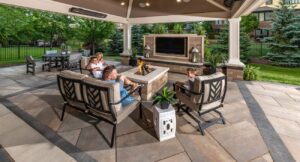
- A lounge area with comfortable seating
- A firepit gathering circle
- A garden corner or planter space
- A quiet reading nook
When a backyard has multiple zones, it feels larger, more intentional, and more inviting.
Even small yards can benefit from this approach.
Choose Materials That Feel Natural and Timeless
Years ago, many outdoor spaces relied heavily on plain poured concrete.
Today’s design trends lean toward natural textures that complement the surrounding environment.
Popular choices include:
- Bluestone
- Natural flagstone
- Textured pavers
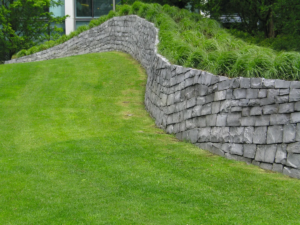
- Granite or masonry features
These materials add warmth and character. They also age gracefully, which is especially important in coastal environments like Cape Cod.
Natural surfaces tend to blend better with landscaping, gardens, and surrounding architecture.
Instead of feeling like a construction project, the space feels like it belongs there.
Add Built-In Features That Elevate the Entire Space
One thing that instantly upgrades an outdoor area is the addition of built-in elements.
Loose furniture works fine—but permanent features add a sense of craftsmanship and intention.
Some of the most popular additions homeowners choose include:
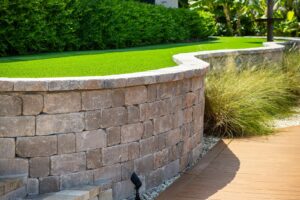
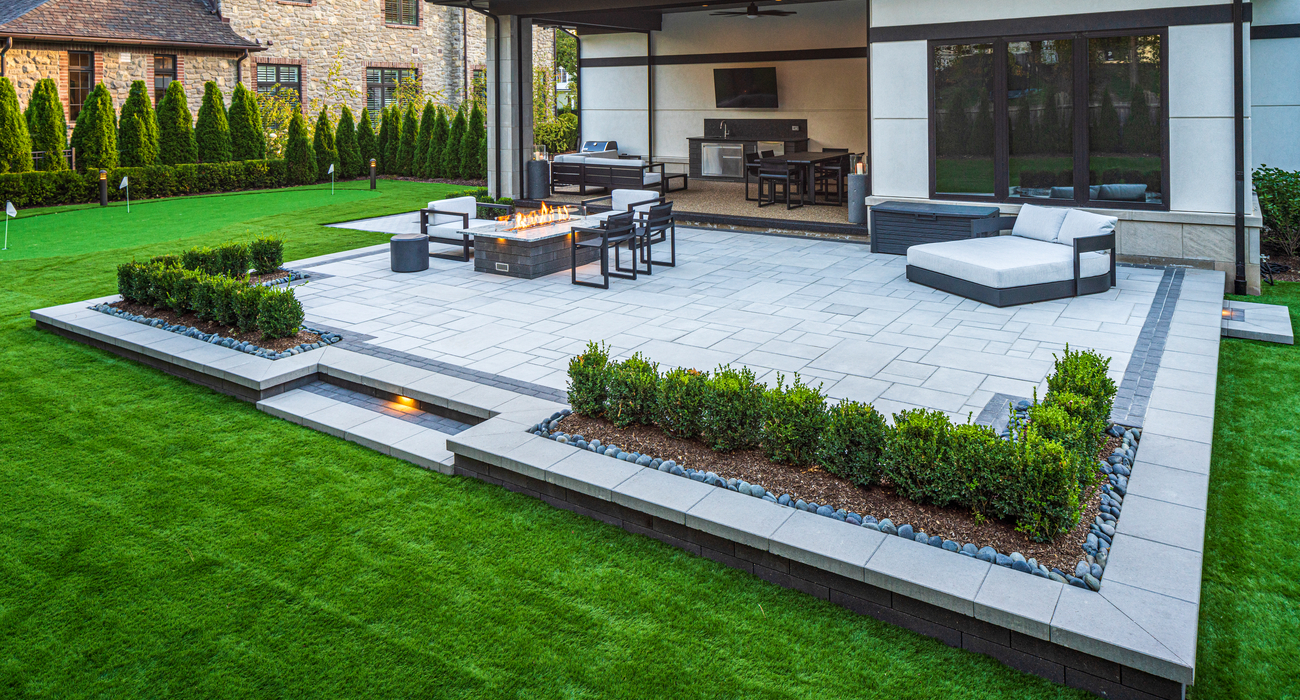
- Built-in seating walls
- Raised stone planters
- Outdoor fire features
- Integrated steps and levels
- Outdoor kitchen stations
These features create natural gathering spots.
Instead of people scattering around the yard, the space gently guides them toward shared areas.
The result is a backyard that feels designed—not improvised.
Bring Lighting Into the Landscape
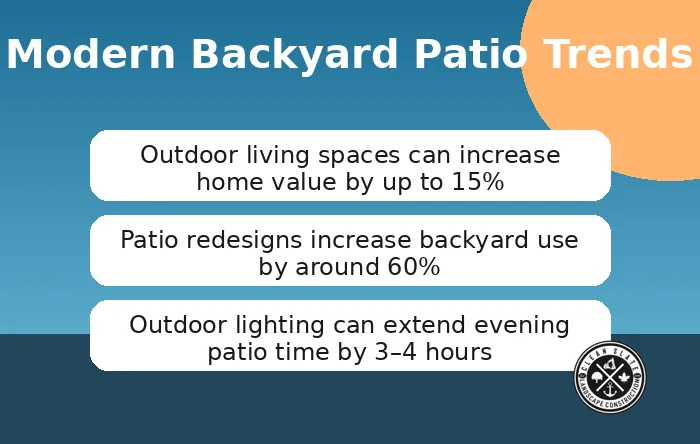
Lighting might be the most underestimated feature in outdoor design.
During the day, the yard may look beautiful. But once the sun sets, poorly lit outdoor areas often become unusable.
Modern outdoor lighting changes that completely.
Popular lighting upgrades include:
- Step lights integrated into stonework
- Soft pathway lights
- Warm string lights above seating areas
- Subtle uplighting around landscape features
The goal is not brightness. It’s ambiance.
Great outdoor lighting turns a simple evening outside into an experience that feels relaxed and welcoming.
It also adds safety by making walkways and steps easier to navigate at night.
Create Comfortable Shade for Daytime Use
A beautiful outdoor space loses value if it’s too hot to enjoy during the day.
That’s why shade structures are becoming a key part of modern backyard design.
Instead of large permanent roofs, many homeowners choose lighter, more flexible solutions like:
- Wooden pergolas
- Climbing vines over overhead structures
- Shade sails
- Retractable canopies
These options soften the sun without closing off the outdoor atmosphere.
The result is a space that remains comfortable throughout the day while still feeling open and airy.
Use Subtle Elevation Changes for Visual Interest
Not every backyard needs to be perfectly flat.
In fact, small elevation changes can add visual interest and help define different areas.
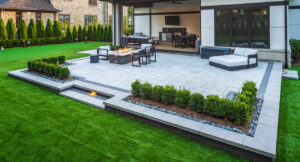
A few steps leading to a firepit area.
A slightly raised dining platform.
A sunken lounge corner.
These subtle changes make a yard feel layered and dynamic.
They also help guide foot traffic naturally through the space.
When combined with thoughtful design, elevation becomes a design feature rather than a limitation.
Anchor the Design With a Strong Foundation
All of these trends—outdoor rooms, lighting, built-ins, and materials—need a solid foundation.
That’s where thoughtful Patio Installation often becomes the centerpiece of the entire landscape.
It creates the base structure that everything else builds around.
When designed correctly, the patio becomes the central gathering space where conversations happen, meals are shared, and evenings stretch longer than expected.
In many homes, it becomes the most loved part of the property.
Frequently Asked Questions
How long does a typical outdoor patio project take?
The timeline depends on the size and complexity of the design. Smaller projects may take several days, while larger outdoor living areas can take multiple weeks.
Factors like weather, materials, and site preparation also affect scheduling.
What materials work best for coastal environments like Cape Cod?
Durable materials such as natural stone, granite, and high-quality pavers tend to perform well in coastal climates.
These materials resist moisture, temperature changes, and salt exposure better than many alternatives.
Can a new patio design help with drainage issues?
Yes. Proper grading and drainage planning are an important part of any well-designed outdoor surface.
A thoughtfully designed patio can help direct water away from structures and prevent pooling.
Will upgrading my outdoor space increase property value?
Outdoor living improvements are highly desirable among homebuyers.
A well-designed backyard gathering space can improve both curb appeal and overall property attractiveness.
What size patio works best for entertaining?
There’s no universal size, but a good rule is to plan enough space for seating, walking paths, and any features like firepits or dining tables.
A professional design can help ensure the layout feels spacious and comfortable.
How do I know when it’s time to upgrade my backyard surface?
Signs often include cracked or uneven surfaces, poor drainage, outdated design, or simply a space that doesn’t get used anymore.
If your backyard feels like wasted potential, a redesign could completely change how you experience your home.
Your backyard should feel like an invitation.
A place where people gather, conversations unfold, and quiet moments become part of daily life.
When thoughtfully designed, an outdoor space doesn’t just look better—it changes how you use your home.
Call 888-912-6706 or visit our Patio Installation services to learn more about our Patio Installation services in Cape Cod