
Erosion is one of the most underestimated threats to residential landscapes. It doesn’t usually happen all at once. Instead, it appears slowly—after a heavy rain, a melting snow season, or years of subtle runoff that shifts soil just enough to cause noticeable damage. Over time, erosion can undermine plantings, distort grading, and even put pressure on foundations and hardscape features.
Masonry retaining walls provide a durable, long-term solution to these problems. When designed and built correctly, they stabilize soil, manage water flow, and create a more functional and visually cohesive yard. More than just a structural necessity, a well-crafted retaining wall becomes an integral part of your landscape design.
What Erosion Really Does to Your Property
Erosion doesn’t only affect the surface of your yard—it changes how your entire outdoor space behaves. Soil movement alters drainage patterns, exposes roots, and weakens areas that once felt solid underfoot.
Common signs of erosion include:
- Soil collecting at the bottom of slopes
- Bare patches where grass or plants won’t grow
- Water pooling near foundations or walkways
- Leaning fences, steps, or landscape borders
Left unaddressed, these issues compound. What starts as cosmetic damage can turn into structural problems that require far more extensive repairs.
Why Sloped Yards Are Especially Vulnerable
Slopes naturally invite gravity to do its work. When water flows downhill without resistance, it carries soil along with it. Even moderate slopes can experience significant soil loss over time, especially during storms or freeze-thaw cycles.
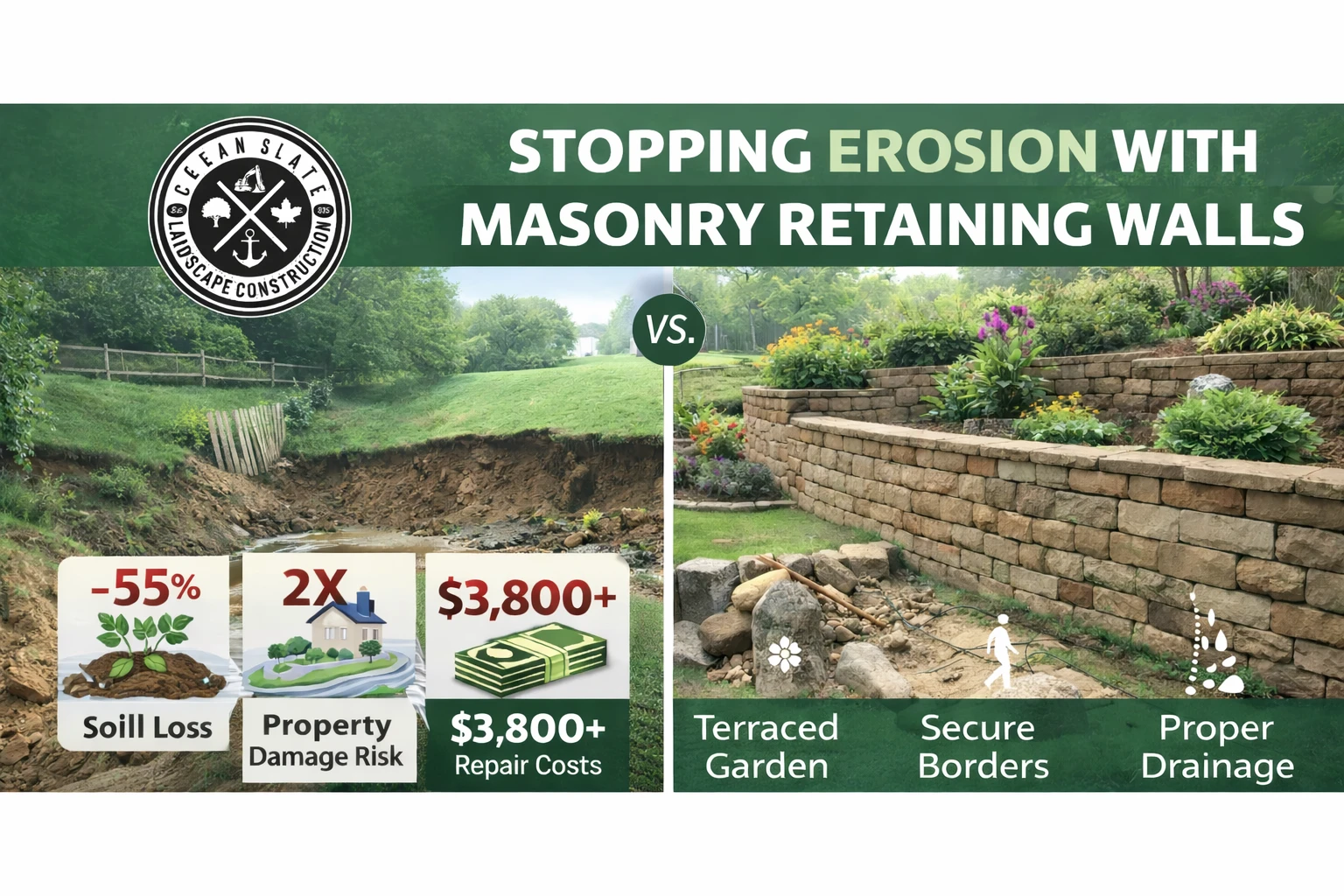
Retaining walls interrupt this movement. They break long slopes into manageable sections, slowing water and holding soil in place. This not only prevents erosion but also allows the land to function as intended rather than constantly fighting against natural forces.
How Masonry Retaining Walls Stop Erosion at the Source
Masonry retaining walls are engineered systems, not decorative barriers. Their purpose is to counteract lateral soil pressure while allowing controlled drainage.
Key ways they prevent erosion include:
Soil containment
The wall holds back earth that would otherwise slide or wash away, keeping grade levels consistent and stable.
Water control
Properly installed retaining walls include drainage solutions such as gravel backfill and weep systems. These features relieve hydrostatic pressure and redirect water safely away from vulnerable areas.
Weight and strength
Masonry materials like stone and concrete provide the mass needed to resist shifting soil, even in saturated conditions.
This combination of structure and drainage is what makes masonry retaining walls far more reliable than temporary or lightweight alternatives.
Masonry vs. Other Retaining Wall Materials
Homeowners often consider wood or prefabricated systems as quick fixes, but these options come with limitations.
Wood retaining walls:
- Are susceptible to rot and insect damage
- Require frequent maintenance
- Typically have a shorter lifespan
Segmental or lightweight blocks:
- May lack sufficient mass for taller walls
- Can shift if base preparation is inadequate
Masonry walls, by contrast, offer long-term stability, minimal maintenance, and a refined appearance that integrates seamlessly with surrounding hardscaping.
Enhancing the Functionality of Your Yard
One of the most overlooked benefits of retaining walls is how much usable space they can create. Areas that were once awkward, sloped, or unusable can be transformed into defined, purposeful zones.
Masonry retaining walls allow homeowners to:
- Create level lawns where grass can thrive
- Build terraced gardens with improved drainage
- Support patios, walkways, and outdoor seating areas
- Clearly define transitions between landscape elements
This is why many property owners invest in Hardscaping Services in Cape Cod, Massachusetts to ensure that retaining walls enhance both form and function rather than feeling like an afterthought.
Improving Drainage and Protecting Structures
Poor drainage is often tied directly to erosion. When water has nowhere to go, it saturates soil, increases pressure, and accelerates movement.
A professionally designed retaining wall helps:
- Channel water away from foundations
- Reduce runoff that damages landscaping
- Protect nearby hardscapes from shifting or cracking
Over time, these benefits protect not just your yard, but also your home and surrounding structures.
The Importance of Proper Engineering and Installation
Retaining walls are not DIY projects. Their success depends on accurate assessment of soil conditions, load requirements, and drainage needs.
Professional installation includes:
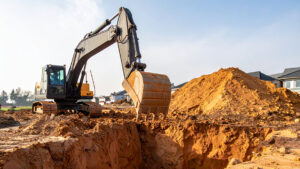
- Excavation and compacted base preparation
- Proper wall batter (slight backward lean)
- Drainage layers to manage water pressure
- Secure anchoring to resist movement
This is where experienced Retaining Wall Installation Services in Massachusetts make a critical difference. A wall that looks fine on day one but fails years later is often the result of shortcuts taken during installation.
Long-Term Durability and Low Maintenance
Masonry retaining walls are built to withstand decades of exposure to moisture, temperature changes, and soil pressure. Unlike wood, they don’t rot or warp. Unlike lightweight materials, they don’t rely on surface stability alone.
Once installed, maintenance is minimal:
- Occasional inspection for drainage performance
- Clearing debris from weep outlets
- General cleaning if desired
This longevity makes masonry a cost-effective solution over time.
Boosting Property Value and Curb Appeal
A well-designed retaining wall adds visual structure to your landscape. Natural stone or clean masonry lines create a sense of order and craftsmanship that elevates the entire property.
From a resale perspective, buyers often view retaining walls as:
- Evidence of thoughtful site planning
- A sign of long-term landscape investment
- An upgrade that reduces future maintenance concerns
Homeowners who choose Masonry Services in Cape Cod, Massachusetts often see their retaining walls become defining features of their outdoor spaces.
Frequently Asked Questions
How tall can a masonry retaining wall be?
Wall height depends on soil conditions, load requirements, and local regulations. Taller walls often require engineering and permits.
Do retaining walls work in areas with heavy rainfall?
Yes, when designed with proper drainage. Masonry walls are particularly effective at managing water-heavy conditions.
Can retaining walls be built on existing slopes?
Absolutely. Retaining walls are commonly used to stabilize existing slopes and prevent further soil movement.
How long does installation usually take?
Project timelines vary based on wall size, site conditions, and design complexity, but most residential projects are completed within days to a few weeks.
Are retaining walls purely functional?
No. While structural by nature, masonry retaining walls can be customized to complement architectural and landscape styles.
Do retaining walls require permits?
In many cases, yes—especially for taller or load-bearing walls. Professional installers typically handle this process.
Can retaining walls fail?
Improperly designed or installed walls can fail over time. This is why professional assessment and construction are essential.
Ready to Protect Your Yard and Invest in Long-Term Stability?
If erosion is impacting your property—or if you want to prevent future damage—a masonry retaining wall is one of the smartest improvements you can make. It protects your landscape, improves usability, and adds lasting value to your home.
Call 888-912-6706 today to speak with a trusted team specializing in Masonry Services in Massachusetts, discuss your property’s needs, and take the next step toward a stronger, more beautiful outdoor space.