Some yard problems announce themselves loudly.
A fallen tree. A cracked driveway. A fence that suddenly leans.
But other problems creep in slowly. You barely notice them at first.
Maybe it’s the way rainwater keeps cutting little channels through the soil. Maybe it’s the slope that makes mowing feel like a balancing act. Maybe it’s the part of the yard no one uses anymore because it just doesn’t feel safe or stable.
Over time, that small frustration turns into something bigger: the feeling that part of your property is working against you.
For many homeowners, that’s the moment they start looking into options like stone wall stabilization and support. Not because they’re chasing a landscape upgrade—but because they want their yard to feel usable again.
And once the process begins, many people discover the transformation goes far beyond fixing a slope.
When the Yard Stops Feeling Like Part of Your Home
Your outdoor space should feel like an extension of your house.
A place to relax. Entertain. Let kids or pets play. Grow something. Enjoy the view.
But when a yard becomes steep, unstable, or constantly eroding, those simple uses begin to disappear.
You might notice small signs first:
- You avoid walking across certain areas after rain.
- Garden beds slowly shift downhill every season.
- Outdoor furniture never sits quite level.
- Parts of the yard become difficult—or dangerous—to maintain.
None of these issues seem dramatic on their own. But together, they quietly limit how you use the property you worked hard to own.
What was once an open outdoor space slowly turns into a collection of “don’t go there” zones.
The Hidden Stress of Watching Soil Move
Soil movement is one of those problems homeowners often underestimate.
It rarely happens overnight. Instead, it shows up gradually.
A little erosion after a storm.
A section of slope that suddenly looks steeper than before.
A pathway edge that begins to crumble.
On Cape Cod and other coastal environments, these shifts can be especially common. Sandy soil, rainfall, and seasonal weather cycles all contribute to land movement over time.
And once erosion begins, it rarely stops on its own.
What starts as a minor inconvenience can eventually affect:
- Walkways and patios
- Driveways
- Landscaping features
- Property drainage
- Nearby structures
That’s often when homeowners start seriously considering Retaining Wall Construction as a way to stabilize the landscape before the problem spreads further.
Reclaiming Space You Didn’t Realize You Had
One of the most surprising moments for homeowners comes after the work is finished.
They step back and realize something unexpected.
Their yard suddenly feels… bigger.
Not because the property changed size—but because the space finally became usable.
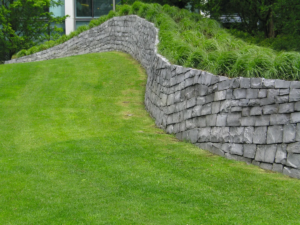
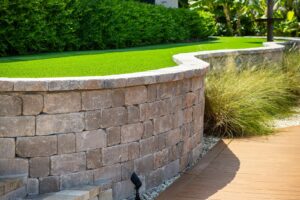
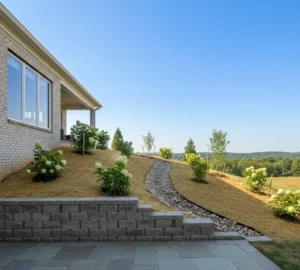
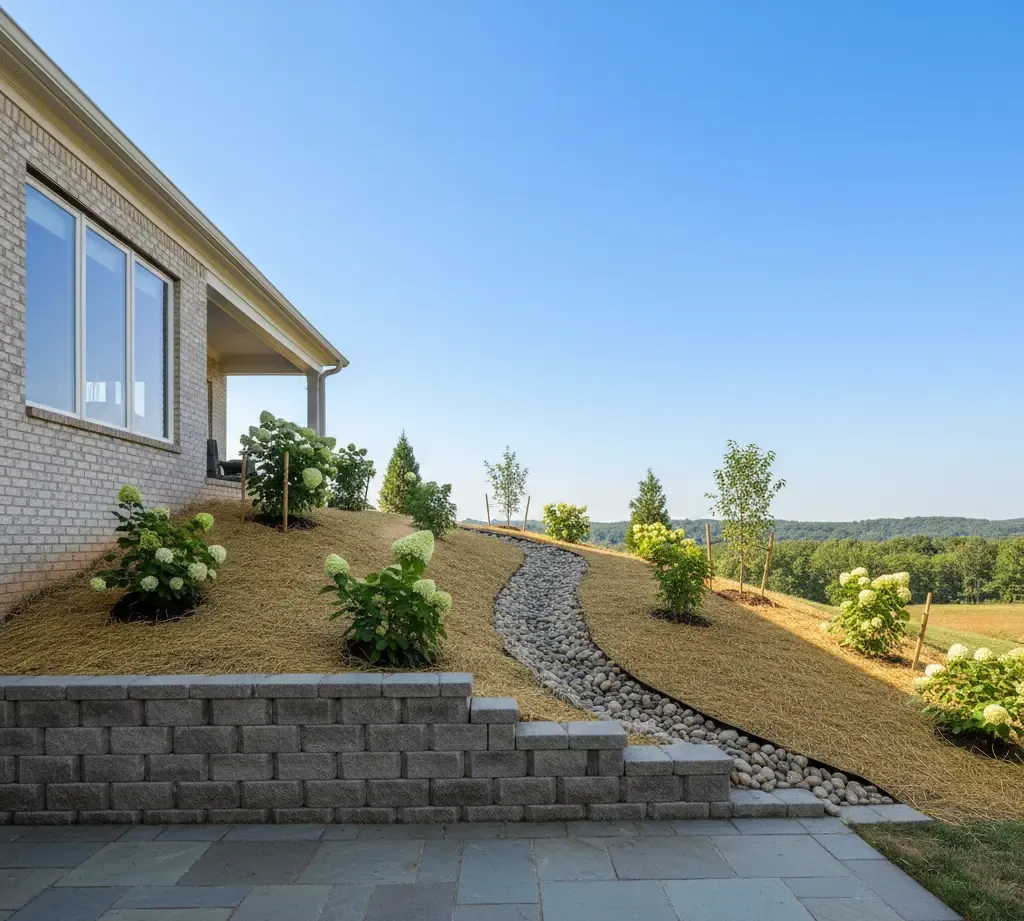
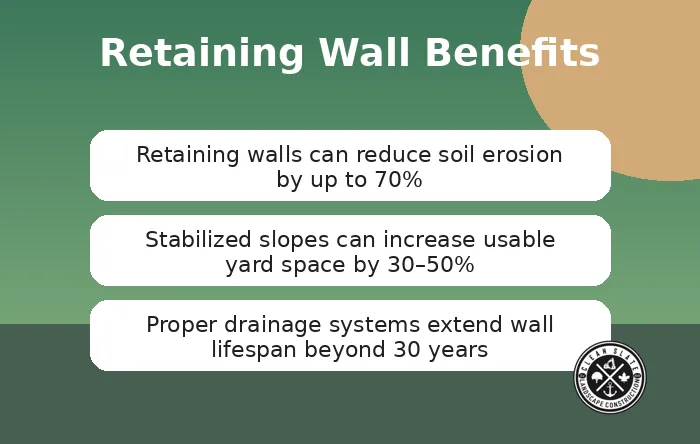
Sloped land hides potential. When that land is stabilized and leveled through thoughtful design, entire sections of the yard open up.
What was once a steep hillside might become:
- A tiered garden
- A level lawn for gatherings
- A quiet seating area
- A safer play space for children
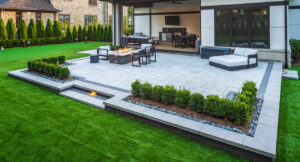
- A clean transition between patio and landscape
It’s one of the rare home improvements that doesn’t just fix a problem—it reveals possibilities that were always there.
When Structure Brings Peace of Mind
There’s another shift homeowners often describe after addressing slope issues.
They stop worrying.
Before the project, every heavy rainstorm might bring a little anxiety. Will the soil wash out again? Will that edge collapse further?
After the landscape is stabilized, those worries fade.
The ground feels secure. Drainage is controlled. The property holds its shape.
And the yard stops feeling like a maintenance battle.
Sometimes the biggest benefit isn’t visual—it’s the quiet relief of knowing the land is finally stable.
Why the Right Build Matters More Than People Think
Not every wall or support structure performs the same over time.
Some are built to last for decades. Others begin shifting, cracking, or failing after only a few seasons.
The difference usually comes down to what’s happening beneath the surface.
Key elements include:
- Proper excavation and foundation depth
- Drainage systems behind the structure
- Quality materials suited to the environment
- Professional installation techniques
In coastal regions like Cape Cod, these details become even more important. Salt air, seasonal storms, and sandy soil conditions all require thoughtful planning.
A well-built wall doesn’t just hold back soil—it manages water flow, supports surrounding land, and protects the rest of the property.
That’s why experience and craftsmanship matter in projects involving Retaining Wall Construction.
More Than Structural — It Changes How You Live Outside
Homeowners often begin these projects thinking about one problem: the slope.
But once the work is done, they notice something bigger.
Their yard becomes part of their lifestyle again.
Suddenly there’s a place for evening gatherings.
A spot for a garden that stays put.
A level area where kids can run without worry.
The landscape stops feeling like something you have to manage and starts feeling like something you get to enjoy.
That shift—from frustration to freedom—is what makes the transformation feel so meaningful.
Planning the Right Solution for Your Property
Every yard has its own personality.
Some properties need gentle terracing to manage elevation changes. Others require stronger structural support to prevent erosion or protect nearby features.
A thoughtful approach considers:
- Soil type
- Drainage patterns
- Property layout
- Existing landscaping
- Long-term durability
When those factors come together in the right design, the result is a structure that feels like it naturally belongs to the landscape.
It doesn’t just solve the problem—it improves the entire outdoor environment.
Frequently Asked Questions
How do I know if my yard needs structural support?
Signs often include visible soil erosion, steep slopes that are difficult to maintain, collapsing edges near walkways, or areas where landscaping repeatedly shifts downhill.
If you notice these patterns continuing year after year, it may be time to explore long-term stabilization options.
Will a supported wall structure change the look of my yard?
In most cases, it improves it.
These structures can be designed with natural stone, masonry, or other materials that complement the surrounding landscape. Many homeowners find the finished result looks more polished and intentional than the original slope.
How long do these structures typically last?
When built correctly with proper drainage and foundation work, they can last decades.
The longevity depends heavily on construction quality, soil conditions, and environmental factors.
Can this help prevent drainage issues?
Yes. Properly designed landscape support structures often include drainage systems that redirect water flow and prevent buildup behind the structure.
This helps reduce erosion and protects nearby areas of the property.
Is this only useful for steep hills?
Not necessarily.
Even moderate slopes can cause soil movement, landscaping problems, or water drainage issues. Stabilizing these areas can make a property easier to maintain and more enjoyable to use.
When Your Landscape Finally Works With You
Your property should feel like a place you enjoy spending time—not a space you constantly work to maintain.
When the land becomes stable and usable again, the entire outdoor environment changes.
Paths feel safer. Gardens stay where they belong. Gathering spaces become possible again.
For many homeowners, investing in Retaining Wall Construction becomes the turning point that allows them to truly reclaim their yard.
If your landscape has started to feel more like a challenge than a retreat, the right solution can make all the difference.
Call 888-912-6706 or visit our Retaining Wall Construction services to learn more about our Retaining Wall Construction services in Cape Cod.