You start out thinking it’s a weekend project.
Maybe you want to stop mulch from washing into the lawn after every storm. Maybe you’d like cleaner planting beds or a more polished landscape. Then you start researching garden walls and discover something surprising: the price can vary more than you expected.
If you’re trying to understand the cost of building a 3- to 4-foot garden wall on Cape Cod, you’re not alone. Many homeowners begin with the same question because they want to know whether the project fits their budget before taking the next step.
The good news is that understanding the factors behind wall pricing can make the process much less intimidating. If you’re considering a long-term landscape solution, learning more about professional retaining wall construction can help you determine what makes sense for your property.
Step 1: Understand Why You’re Building the Wall
Before talking about numbers, it’s important to understand the wall’s purpose.
Not all garden walls are created equal.
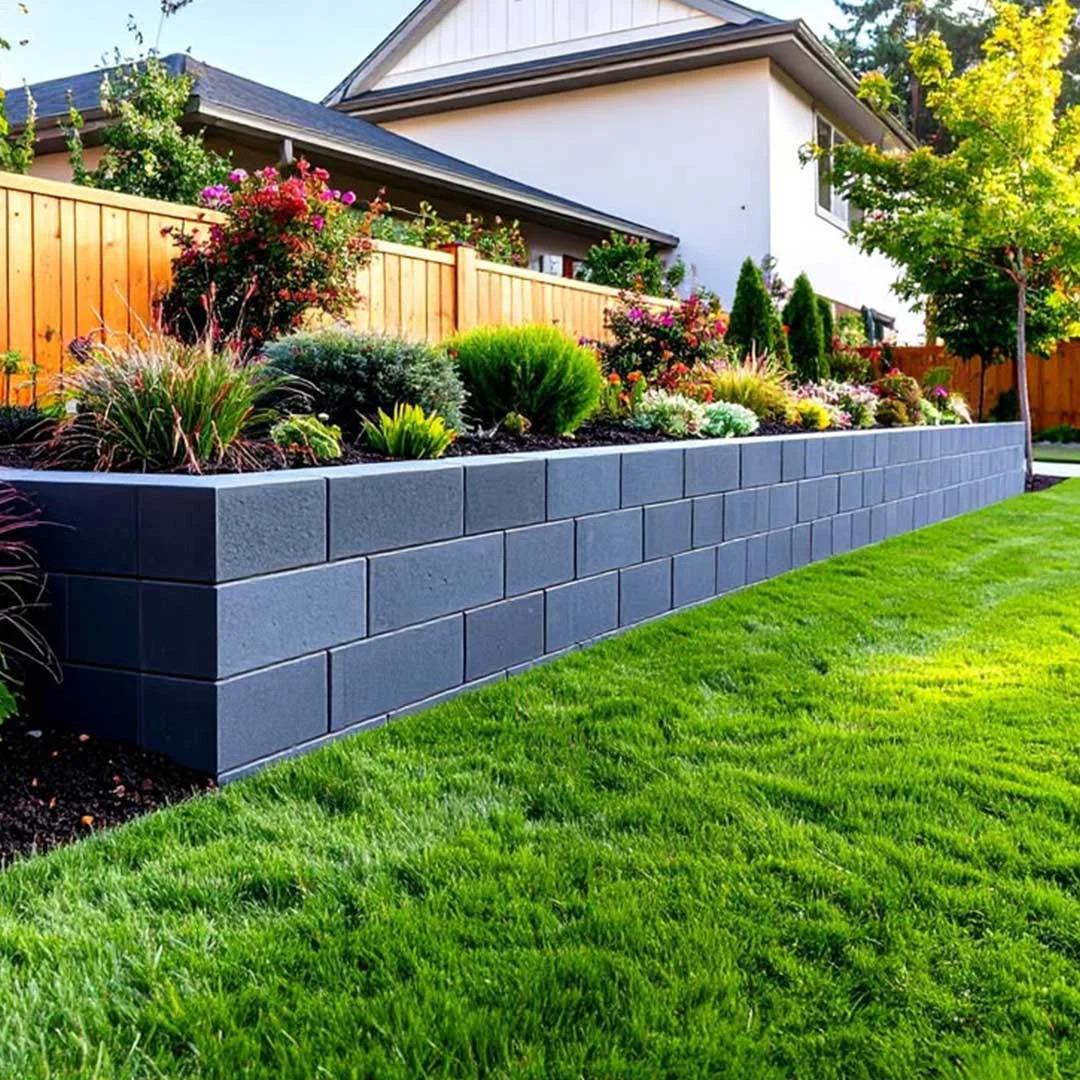
Some are purely decorative. They define planting areas, create visual interest, and give a landscape a finished appearance.
Others perform structural work. They hold back soil, reduce erosion, create level planting areas, and improve drainage around the property.
A decorative wall and a structural wall may look similar when viewed from the front, but the amount of engineering, excavation, and preparation required can be dramatically different.
Ask yourself:
- Is the wall mainly for appearance?
- Will it hold back soil?
- Is erosion currently a problem?
- Are you trying to create more usable yard space?
- Will the wall support a slope?
The answers to these questions often have the biggest impact on overall project cost.
Step 2: Know What Actually Influences Pricing
Many homeowners focus on the visible materials.
Stone, block, and wall caps certainly affect cost, but they are only part of the equation.
Several factors influence pricing:
Material Selection
Natural stone generally costs more than manufactured block systems.
However, many Cape Cod homeowners prefer natural stone because it complements the area’s coastal character and historic architecture.
Wall Height
A 4-foot wall often requires more structural considerations than a shorter decorative wall.
As height increases, so do engineering requirements, drainage needs, and material quantities.
Wall Length
Naturally, longer walls require more labor and materials.
A 20-foot wall and a 100-foot wall may use the same materials but involve very different budgets.
Site Accessibility
Can equipment easily reach the installation area?
If materials must be carried by hand through a narrow side yard or difficult terrain, labor costs can increase.
Existing Conditions
Tree roots, poor drainage, unstable soil, and steep slopes can all add complexity to a project.
Every property presents its own challenges.
Step 3: Don’t Overlook What Happens Underground
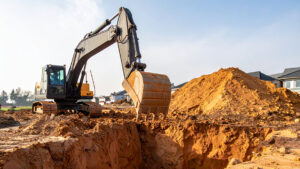
One of the biggest misconceptions about retaining walls is that most of the work happens above ground.
In reality, the opposite is often true.
A properly built wall relies on what lies beneath the surface.
This may include:
- Excavation
- Compacted gravel bases
- Drainage stone
- Drain pipes
- Geogrid reinforcement
- Backfill materials
Think of a retaining wall like an iceberg.
The visible portion is important, but much of what makes it stable exists below the surface.
Skipping these steps can reduce upfront costs, but it often leads to expensive repairs later.
Step 4: Understand Why Drainage Matters So Much
If retaining walls have a natural enemy, it’s water.
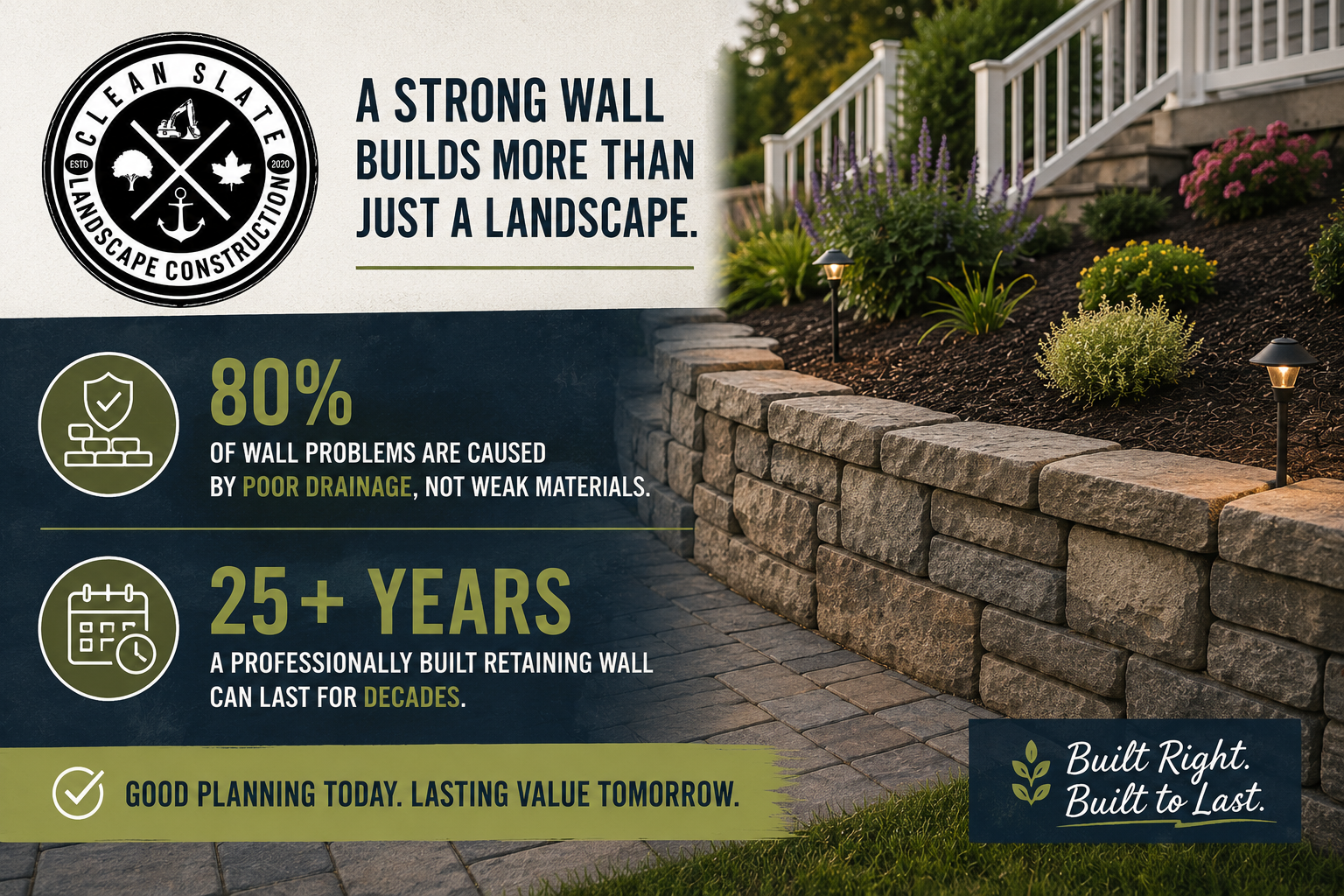
Many wall failures occur not because the materials were weak but because water pressure built up behind the structure.
When water cannot escape properly, pressure increases with every rainstorm.
Over time, that pressure can cause:
- Leaning walls
- Cracks
- Bulging sections
- Soil movement
- Complete structural failure
Professional wall construction typically includes drainage systems specifically designed to relieve this pressure.
These systems may not be visible after installation, but they are often among the most important parts of the project.
Step 5: Think Beyond Today’s Cost
It’s natural to focus on the initial investment.
But many homeowners eventually realize they’re already paying for a problem in other ways.
You might be spending time and money on:
- Replacing washed-out mulch
- Regrading soil after storms
- Repairing landscape damage
- Managing erosion
- Replanting vegetation
- Maintaining difficult slopes
A properly designed wall can help reduce many of these recurring expenses.
It’s similar to fixing a leaky roof.
The repair costs money upfront, but continually dealing with water damage usually costs more over time.
Step 6: Compare Value Instead of Just Price
When collecting estimates, it’s tempting to focus on the lowest number.
However, retaining walls are long-term structures.
The cheapest proposal may not include the same preparation, drainage systems, or construction methods as a more comprehensive estimate.
When evaluating contractors, consider:
- Experience building structural walls
- Drainage design
- Material quality
- Warranty coverage
- Local project history
- Installation methods
A well-built wall should provide decades of performance.
That’s why experienced contractors often spend considerable time evaluating site conditions before providing recommendations.
Step 7: Understand Local Cape Cod Factors
Cape Cod properties often present unique conditions that influence project costs.
Many sites feature:
- Sandy soils
- Drainage concerns
- Coastal weather exposure
- Elevation changes
- Limited equipment access
These factors can affect both design and construction requirements.
A solution that works perfectly in another region may not be the best approach for a coastal Massachusetts property.
Working with professionals familiar with local conditions can help ensure the wall is designed for the environment it will face.
Why Homeowners Often Feel Better After Getting a Professional Assessment
Many people spend weeks researching online estimates.
The more numbers they see, the more confused they become.
That’s because online calculators cannot evaluate:
- Soil conditions
- Drainage patterns
- Property access
- Existing erosion
- Elevation changes
- Material preferences
Once a professional evaluates the site, uncertainty often disappears.
Instead of guessing, homeowners receive information tailored to their actual property.
That clarity makes planning significantly easier.
The Real Goal Isn’t Just Building a Wall
The best retaining wall projects accomplish much more than holding back soil.
They create opportunities.
A properly designed wall may help create:
- Level garden beds
- Expanded outdoor living areas
- Improved curb appeal
- Better drainage
- Safer walkways
- More usable yard space
In many cases, homeowners begin the process focused solely on price. By the time the project is complete, they’re focused on how much more functional their property has become.
That’s often the biggest return on investment.
The wall becomes part of a larger transformation.
When discussing budgets, you’ll often encounter conversations about retaining wall cost per foot, but the true value of a project comes from understanding what that investment creates for your property over the long term.
Frequently Asked Questions
How much does a 3- to 4-foot garden wall usually cost?
Pricing varies based on materials, site conditions, drainage requirements, and wall length. The best way to get accurate pricing is through a professional site assessment.
Is natural stone more expensive than concrete block?
In many cases, yes. Natural stone generally costs more due to material and installation requirements, but many homeowners prefer its appearance and durability.
Does wall height affect pricing significantly?
Yes. Taller walls typically require additional structural support, excavation, and drainage systems, all of which can increase project costs.
Why is drainage included in many retaining wall projects?
Drainage helps relieve water pressure behind the wall. Without proper drainage, walls are more likely to shift, crack, or fail over time.
Can a retaining wall increase property value?
Many homeowners view retaining walls as improvements that enhance curb appeal, improve functionality, and make outdoor spaces more usable.
How long does a professionally built retaining wall last?
When properly designed and installed, retaining walls can last for decades. Material choice, drainage, maintenance, and construction quality all influence lifespan.
Should I choose the lowest estimate?
Not necessarily. It’s important to compare what’s included in each proposal, especially regarding drainage, foundation preparation, materials, and warranty coverage.
Can a retaining wall help with erosion?
Yes. Many retaining walls are specifically designed to stabilize soil and reduce erosion caused by rainfall, runoff, and changing grades.
Building a garden wall can feel overwhelming at first, especially when pricing seems difficult to pin down. But understanding the factors that influence cost can help you make a more informed decision. Whether your goal is creating cleaner garden beds, improving drainage, or making your property more functional, the right wall can provide benefits that last for years.
Call 888-912-6706 or visit our Retaining Wall Construction services to learn more about our Retaining Wall Construction services Cape Cod, MA.